Nighttime is when most security risks occur.
For businesses managing warehouses, industrial facilities, and corporate parking lots, the lack of proper night surveillance can lead to serious problems such as:
Theft and inventory loss
Vehicle damage or unauthorized access
Employee safety risks
Poor incident investigation due to unclear footage
Many organizations install CCTV systems but still struggle with poor night visibility, blurry recordings, or blind spots.
The reality is that night surveillance requires different technology and planning compared to daytime monitoring.
In this guide, we’ll explain how businesses can significantly improve night surveillance using modern CCTV security services, advanced camera technology, and smarter installation strategies.
Why Night Surveillance Is More Challenging
Night monitoring is difficult because surveillance systems must work in low light or complete darkness.
Several factors affect camera performance at night:
Insufficient lighting in warehouses or parking areas
Long distances between cameras and objects
Camera sensors are struggling with low-light conditions
Vehicle headlights are causing glare
Motion blur from moving vehicles or people
Common Night Surveillance Problems Businesses Face
Before improving night surveillance, it’s important to understand the most common issues.
Poor Lighting Conditions
Large warehouses and outdoor parking areas often have inconsistent lighting, leaving many corners in complete darkness.
Standard cameras cannot capture clear footage in such environments.
Limited Camera Range
Traditional cameras often struggle to monitor long distances at night, especially in large industrial spaces.
As a result, suspicious activity may go undetected.
Glare from Vehicles
Parking lots frequently experience headlight glare, which can distort camera footage and hide important details like license plates or faces.
Low Quality Cameras
Older surveillance systems may not support modern low light imaging technology, making them ineffective during nighttime.
Technologies That Improve Night Surveillance
Businesses looking to upgrade their surveillance systems should consider the following solutions.
1. Infrared (IR) Night Vision Cameras
Infrared cameras are one of the most common solutions for low light monitoring.
These cameras use IR LEDs to illuminate areas that are invisible to the human eye, allowing them to capture footage even in complete darkness.
Benefits include:
Clear black and white footage at night
Improved visibility in dark environments
Reliable monitoring for large areas
2. Full Color Night Vision Cameras
New generation cameras can capture full color images even in low light conditions.
These cameras use advanced sensors and larger apertures to collect more light.
Advantages include:
Clearer identification of vehicles and people
Better evidence for investigations
Improved visual clarity compared to traditional night vision
3. Motion Detection and Smart Alerts
Modern surveillance systems are not limited to passive recording.
Smart cameras can detect unusual movement and send instant alerts to security teams.
Examples include:
Unauthorized entry into restricted warehouse zones
Suspicious movement near parked vehicles
Activity outside business hours
4. Strategic Lighting Integration
Surveillance cameras perform best when combined with proper lighting design.
Businesses can improve night surveillance by installing:
Motion activated floodlights
LED perimeter lighting
Entrance and exit lighting for parking lots
5. High Resolution Cameras for Large Spaces
Warehouses and parking areas are usually large environments.
Installing HD CCTV cameras allows security teams to monitor larger areas without losing image clarity.
These cameras can capture:
License plate details
Facial features
Activity at long distances
When paired with WiFi smart CCTV cameras or wired IP cameras, businesses can monitor operations remotely.
Camera Placement Strategies for Better Night Surveillance
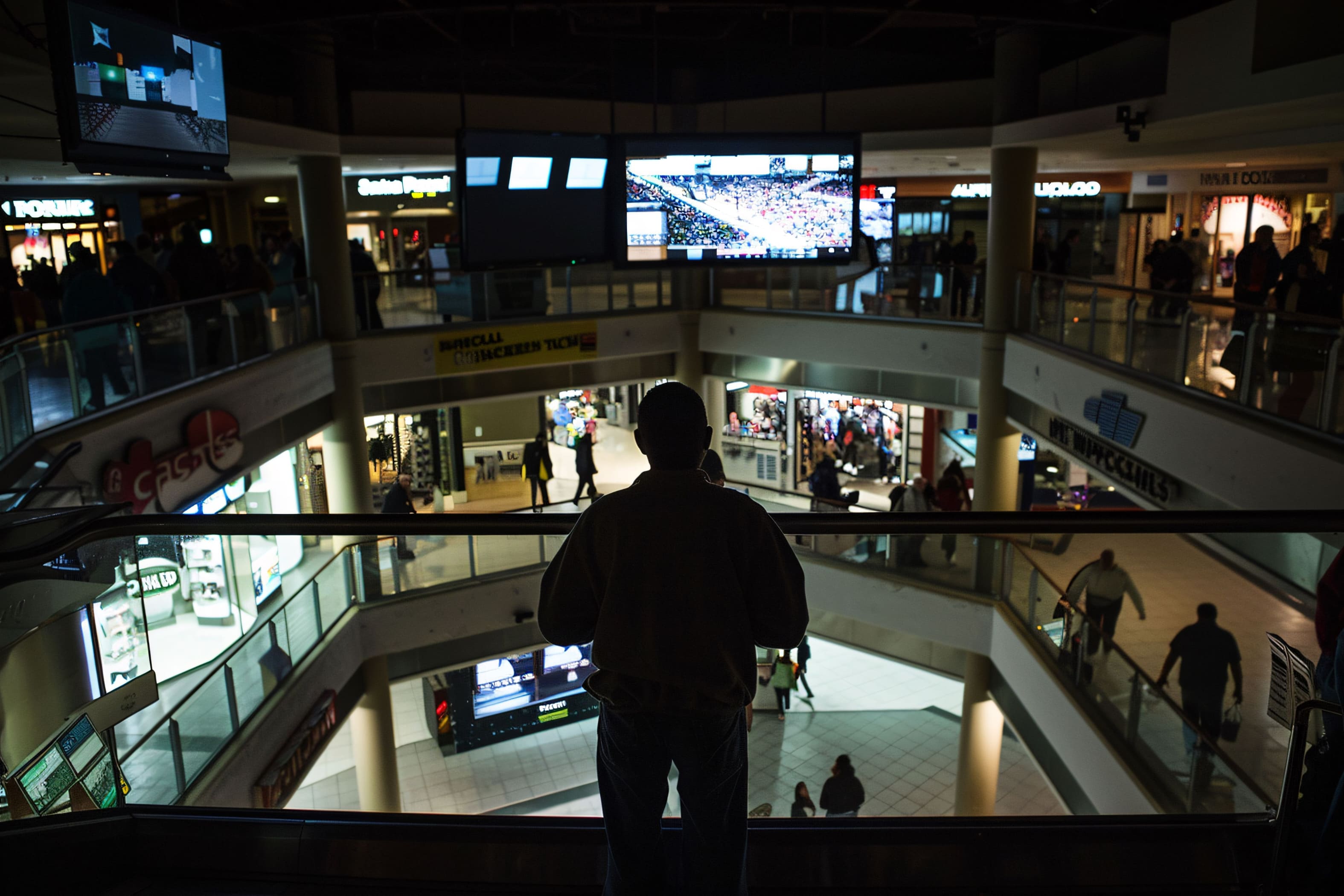
Even the best cameras can fail if they are installed incorrectly. Proper placement ensures maximum coverage and better night visibility.
Focus on Entry and Exit Points
All warehouse gates and parking entrances should have cameras positioned to capture:
Vehicle movement
License plates
Driver identification
Cover High Risk Areas
Some zones require extra surveillance, such as:
Loading docks
Storage areas with valuable goods
Vehicle parking sections
Perimeter boundaries
Reduce Blind Spots
Security experts recommend performing a site survey before installation to identify areas that cameras cannot cover.
Professional CCTV security service providers often use digital mapping tools to design optimized surveillance layouts.
Checklist for Improving Night Surveillance
Businesses can use this quick checklist to evaluate their current surveillance setup.
✔ Install cameras with infrared or full color night vision
✔ Ensure proper lighting coverage across parking and warehouse areas
✔ Use high resolution cameras for large spaces
✔ Position cameras strategically to eliminate blind spots
✔ Integrate motion detection alerts
✔ Use advanced recording systems like high performance network video recorders nvr
Why Professional CCTV Security Services Matter
Designing effective night surveillance systems requires more than just installing cameras.
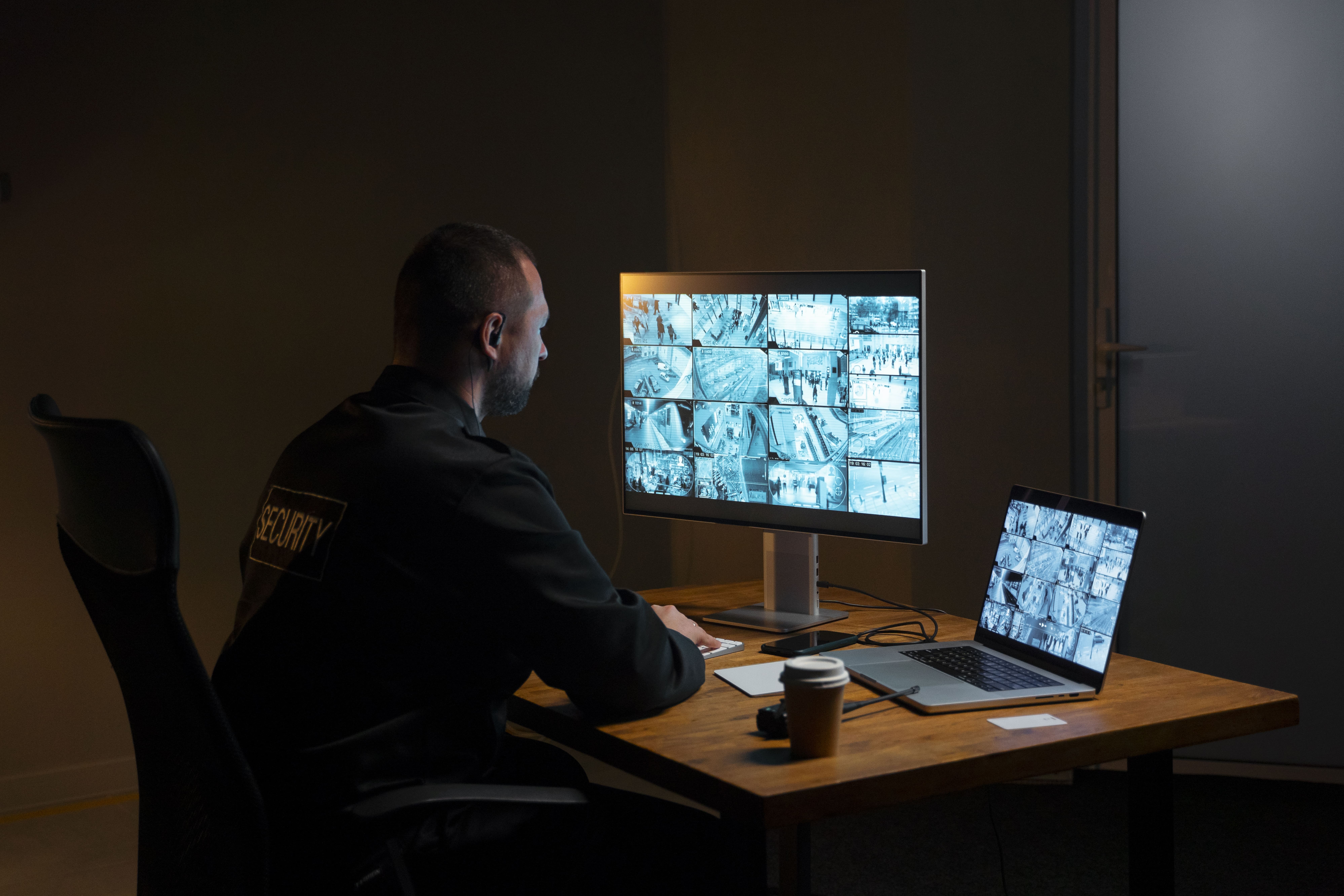
Reliable CCTV surveillance helps businesses:
Conduct detailed security assessments
Identify low light risk zones
Select appropriate camera technology
Optimize camera placement
Ensure long term system reliability
A Reliable Surveillance Partner for Business Security
Businesses planning to improve night surveillance should work with experienced security solution providers.
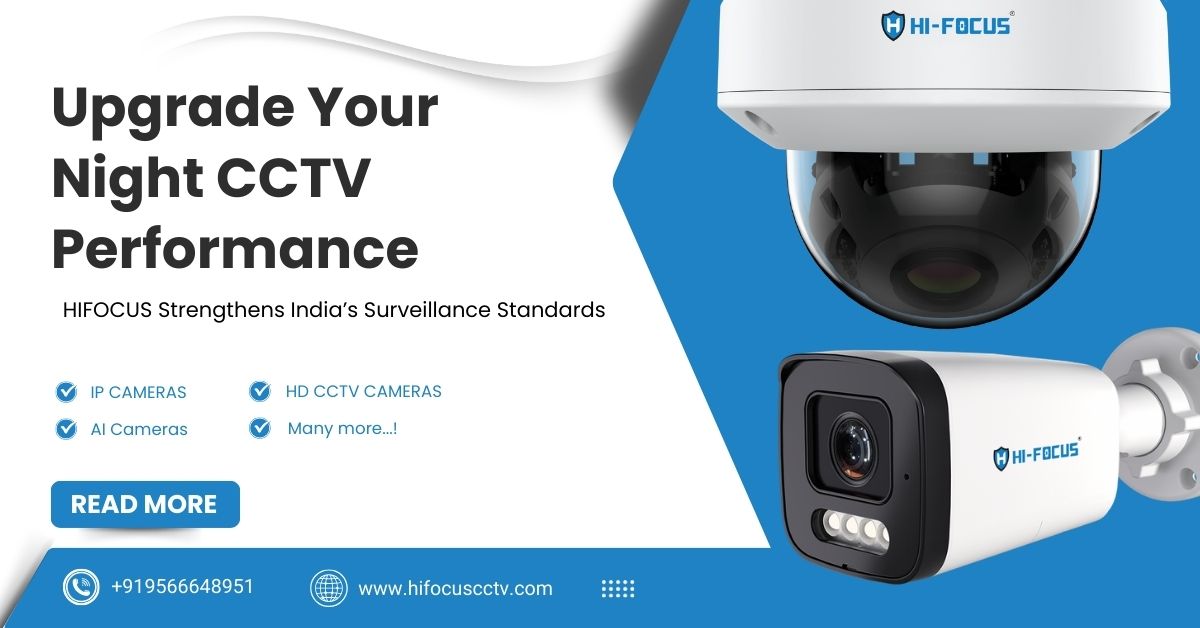
Companies like HIFOCUS offer modern surveillance solutions designed for warehouses, corporate buildings, and industrial facilities.
Their systems include advanced cameras, intelligent monitoring technology, and scalable infrastructure that support long term security needs.
Conclusion
Night surveillance is one of the most critical aspects of business security, especially for warehouses, parking areas, and industrial facilities.
Without proper technology and planning, CCTV systems may fail when visibility is needed the most.
By combining advanced camera technology, strategic lighting, and professional CCTV security services, businesses can significantly improve nighttime monitoring and protect their assets more effectively.
Investing in the right surveillance infrastructure ensures clear footage, faster incident response, and stronger security overall.