_1783001390131_8b1fa41e7f30.png&w=384&q=75)
_1782209752125_bc02c169099f.png&w=384&q=75)
_1782208486443_e31bae5362f4.png&w=384&q=75)
_1741936643269_b39b5c853037.png&w=384&q=75)
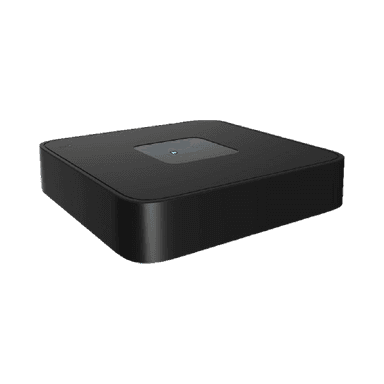
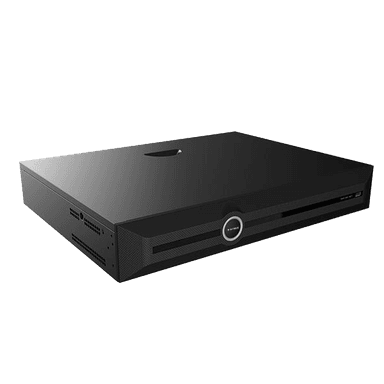
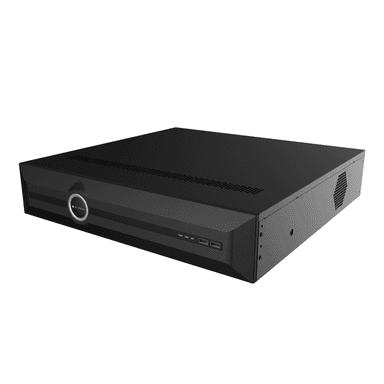
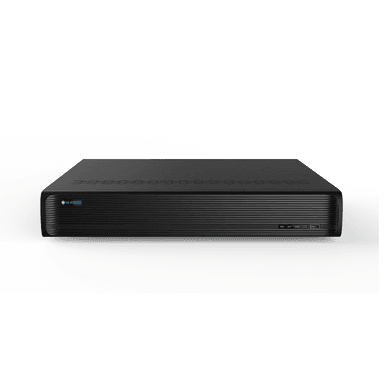
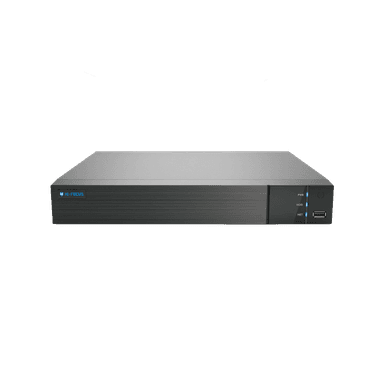
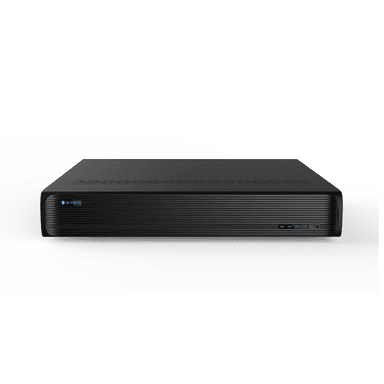
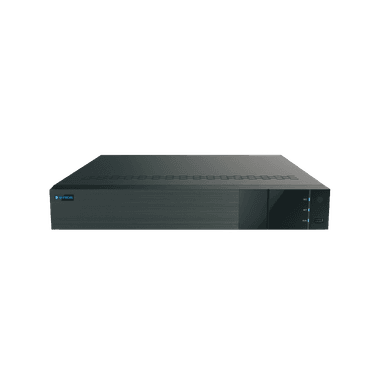
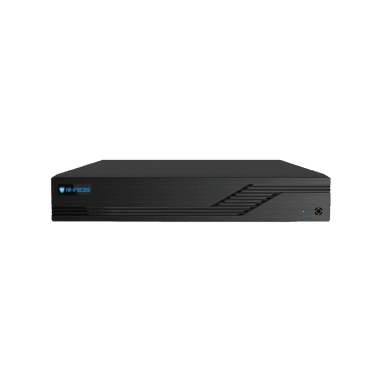
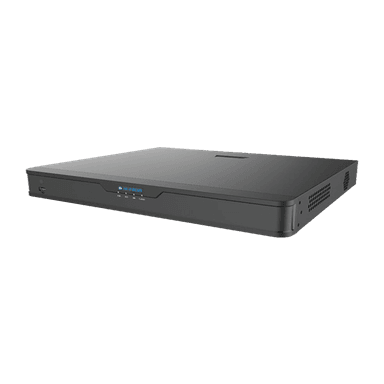
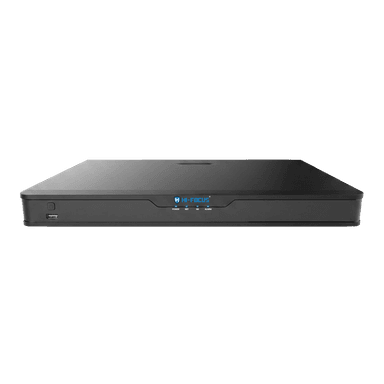
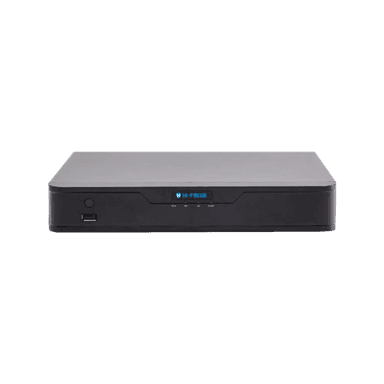
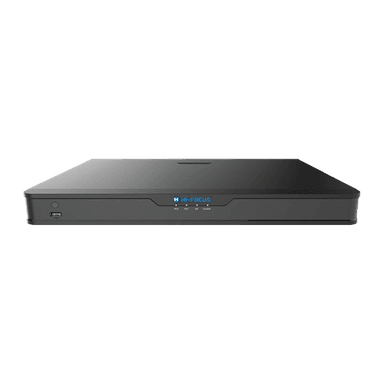
Why Choose a HiFocus NVR System?
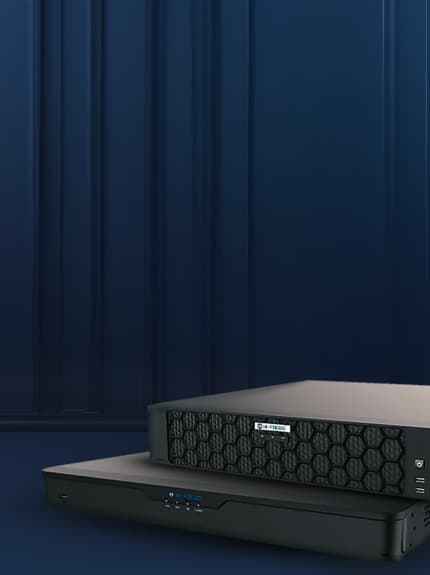
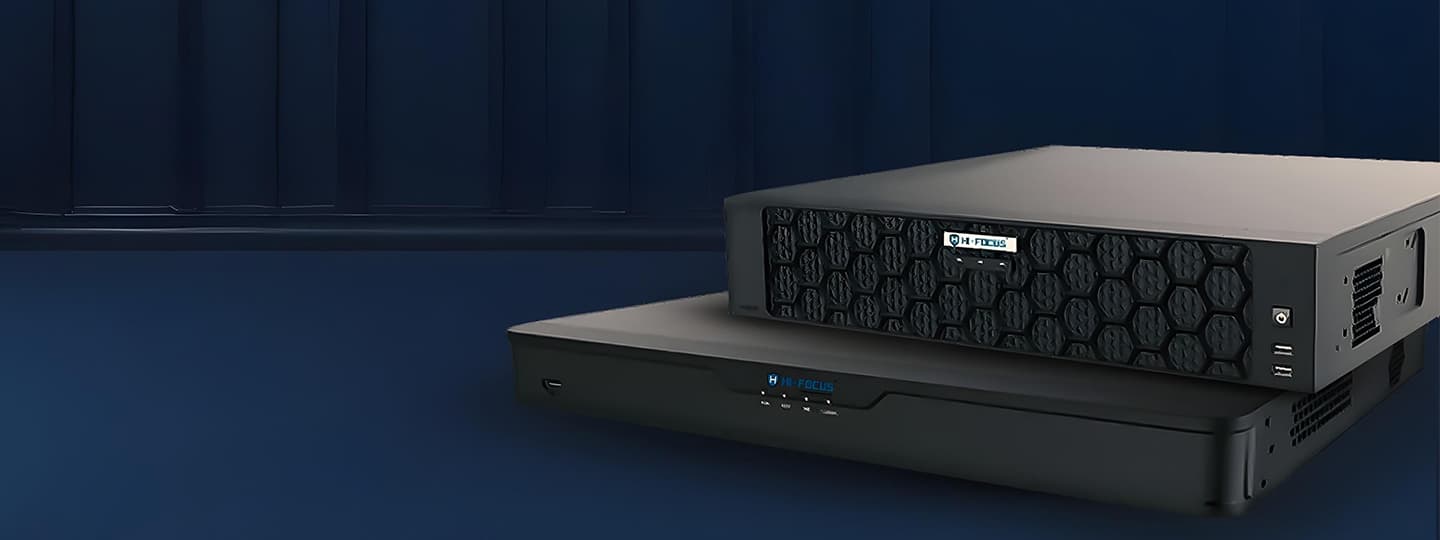
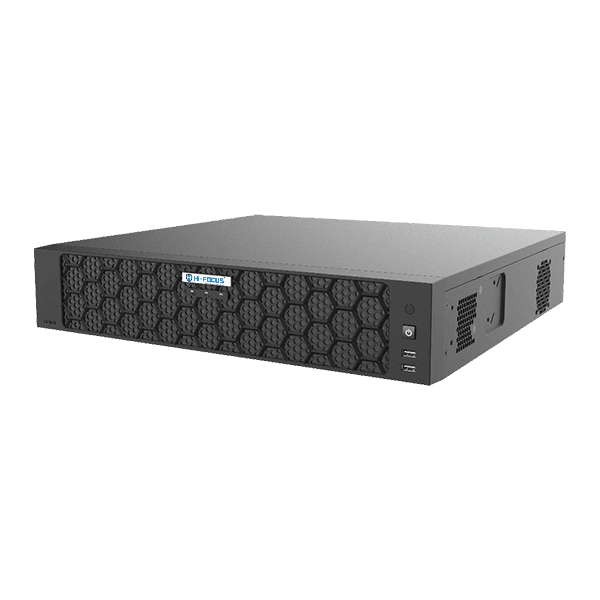
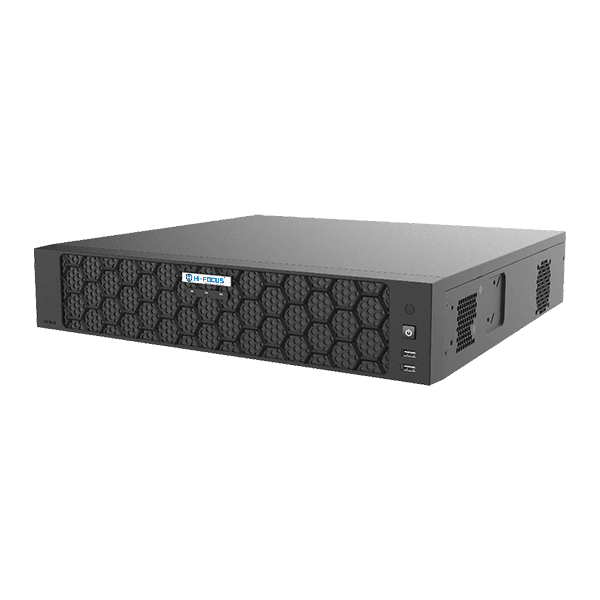
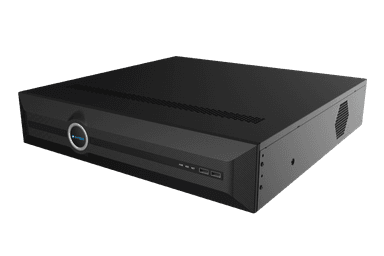
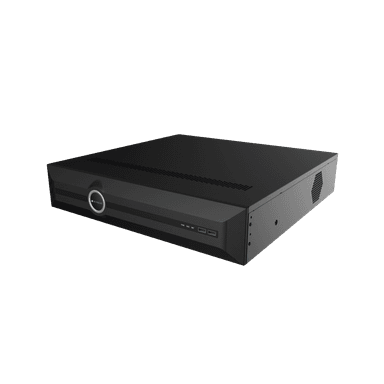
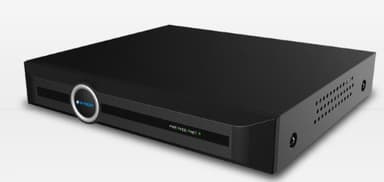
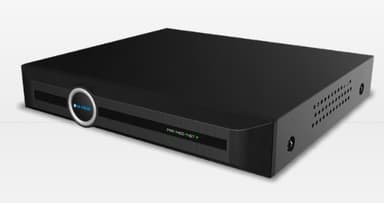
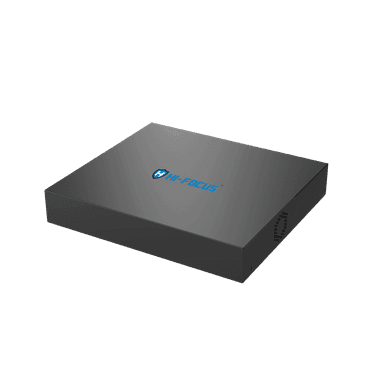
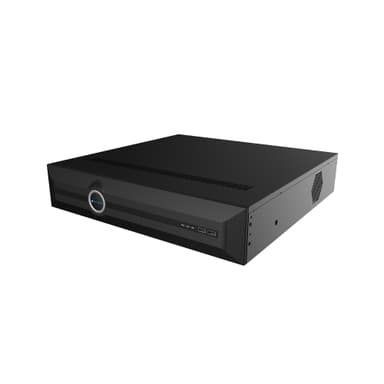
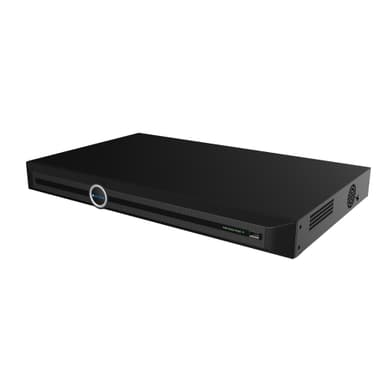
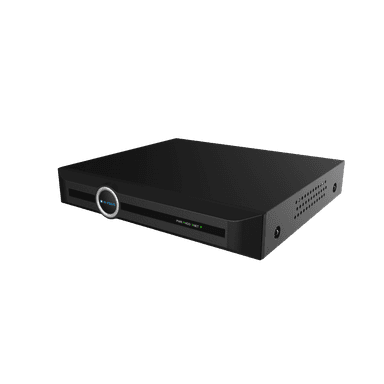
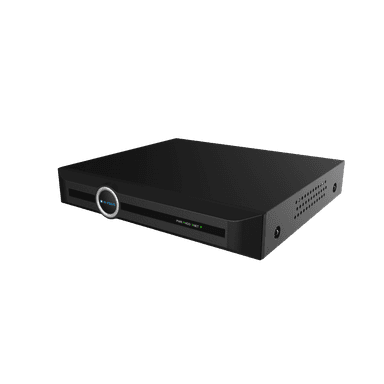
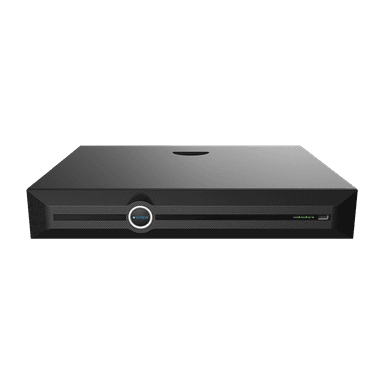
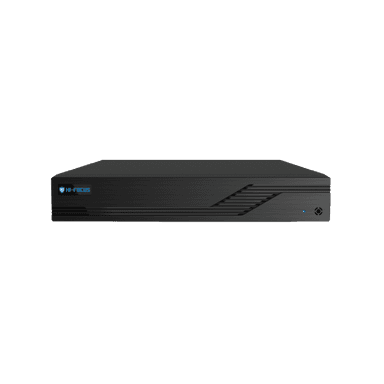
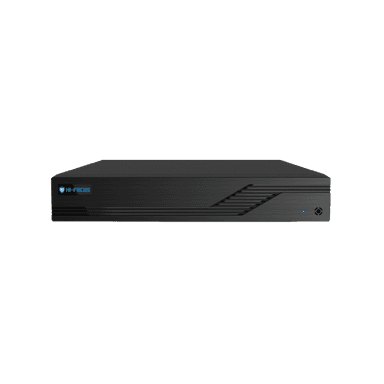
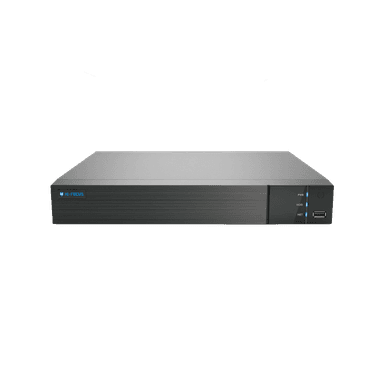
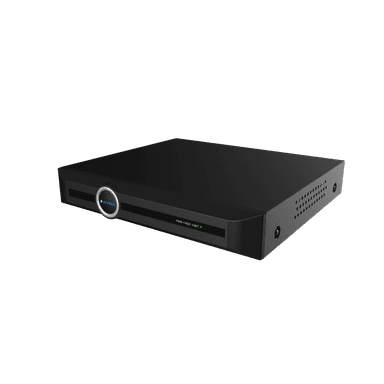
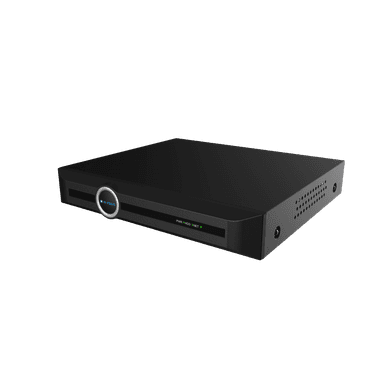
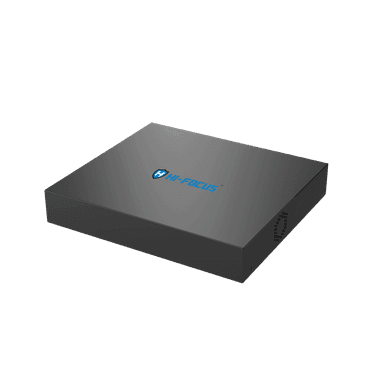
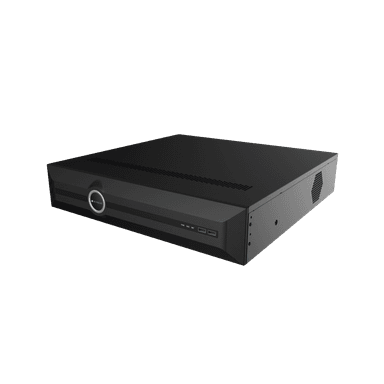
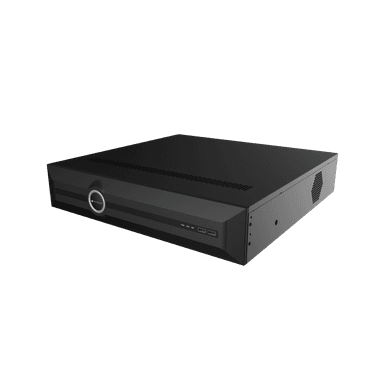
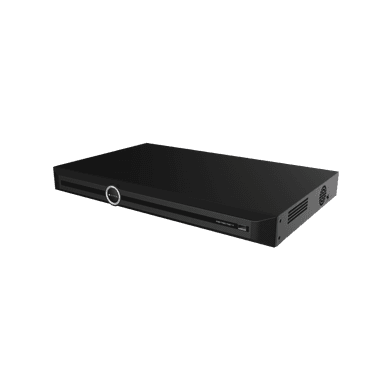
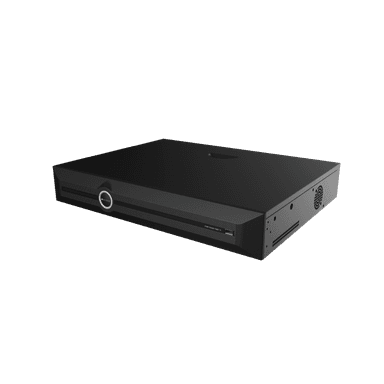
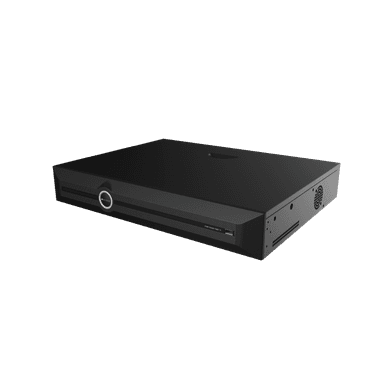
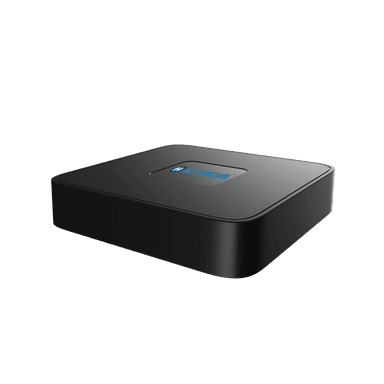
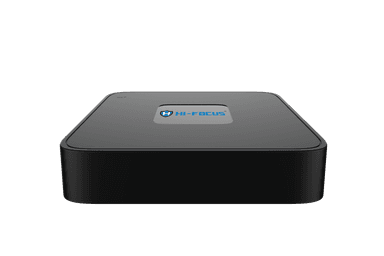
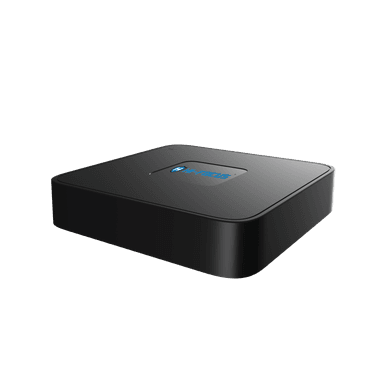
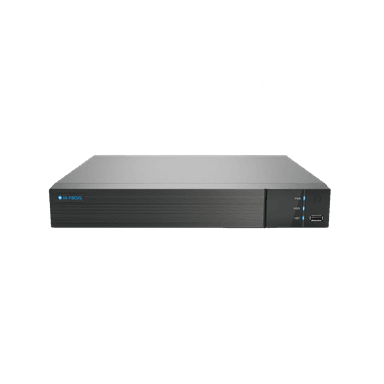
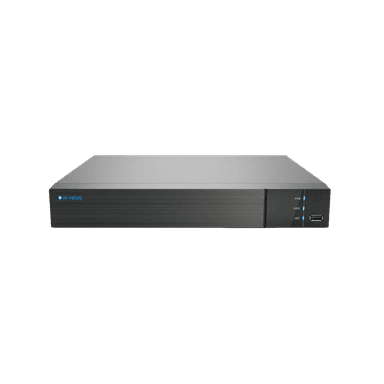
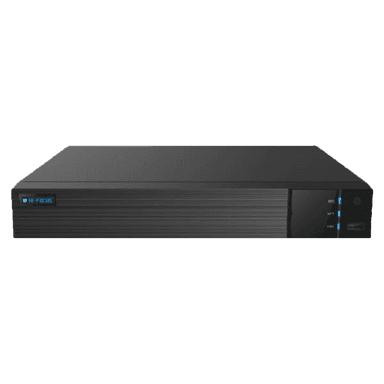
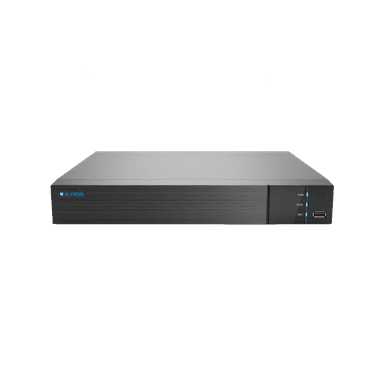
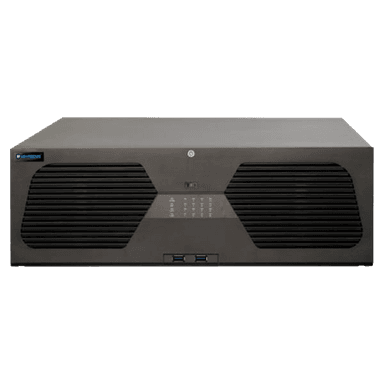
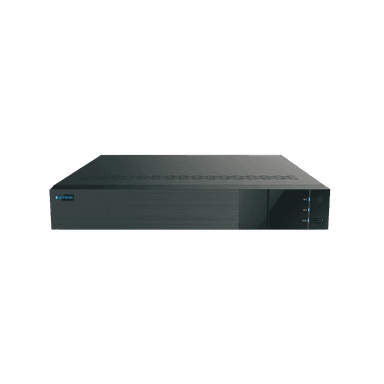
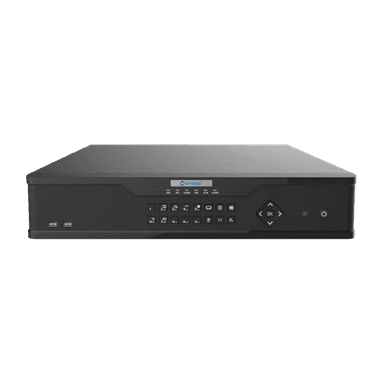
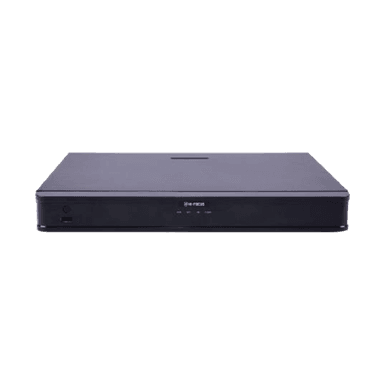
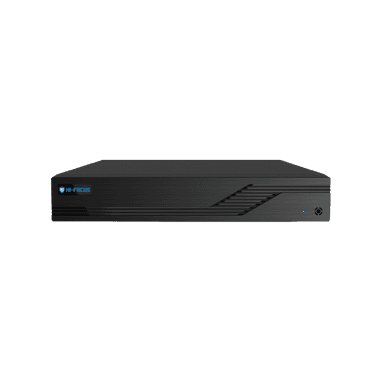
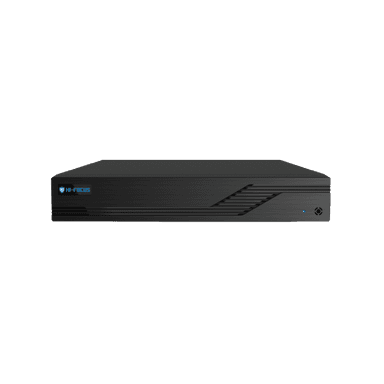
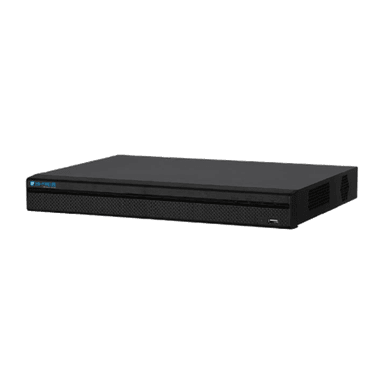
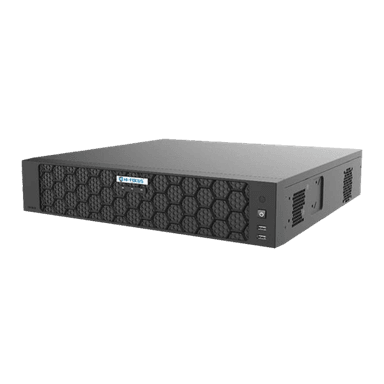
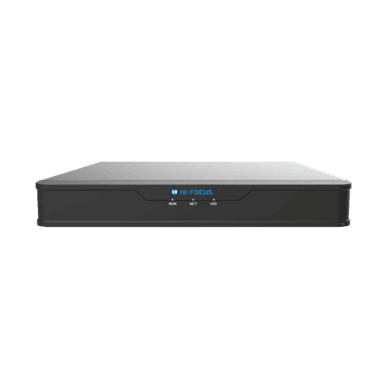
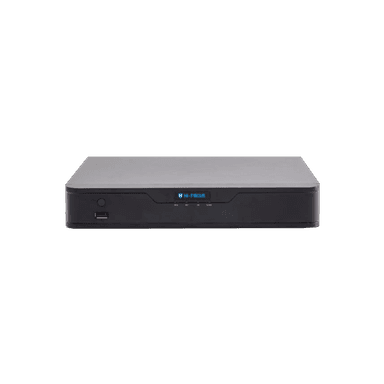
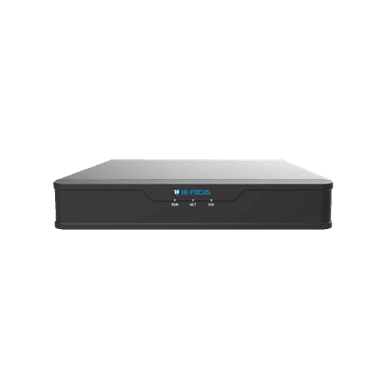
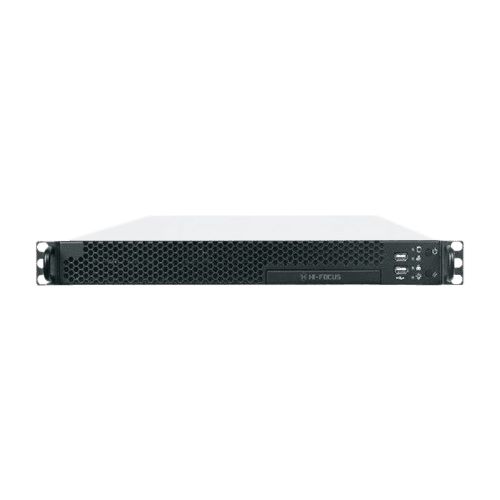
When you move from analog to IP-based surveillance, the network video recorder becomes the backbone of your setup. It handles recording, storage, playback, and in newer AI NVR models, intelligent video analysis. HiFocus NVR systems are designed specifically for this workload, with hardware and software that are optimised for continuous, high-definition recording across multiple camera feeds.
Unlike generic recorders, HiFocus NVRs are tested and validated with HiFocus IP cameras, which means you get a system that works out of the box without compatibility headaches. The range covers everything from compact 8-channel units for small deployments to 160-channel, 16-SATA recorders for large campuses and commercial buildings.
Standard NVR vs AI NVR: What is the difference?
A standard network video recorder records and stores footage from connected IP cameras. You can review footage manually or set up basic motion alerts. This works well for smaller setups where the camera count is low and active monitoring is possible.
An AI NVR goes a step further. It processes video feeds in real time using deep learning algorithms, which means it can detect specific events like a person crossing a boundary, a vehicle entering a restricted zone, or unusual crowd behaviour. This reduces false alarms and makes post-event search much faster because you can search by object type or event rather than scrubbing through hours of footage.
HiFocus AI-powered NVRs bring this intelligence directly to the recorder, so you do not need a separate server or additional software to enable it.
Key Specifications of Our Network Video Recorders NVRs
Specification | Details |
Channel Range | 8, 10, 16, 32, 40, 64, 80, 160 channels |
Recording Resolution | Up to 4K (8MP) per channel |
Storage Bays | 1 SATA to 16 SATA (model dependent) |
Compression | H.265+ / H.265 / H.264+ |
Remote Access | Mobile app and desktop client |
Series | Velocity Series, Quartz Series |
PoE Support | Select models with built-in PoE ports |
Compatibility | All HiFocus IP cameras; ONVIF-compliant cameras |
Origin | Manufactured in India |
Where HiFocus NVR Systems Are Used
HiFocus network video recorders are deployed across a wide range of commercial and institutional environments throughout India.
Corporate campuses and IT parks use 32 to 64-channel NVR systems to centrally record footage from entry points, parking areas, server rooms, and floor-level cameras across multiple buildings.
Hospitals and healthcare facilities rely on NVR systems to maintain continuous, long-duration recording across OPDs, ICUs, corridors, and restricted zones, with remote access for security teams at any hour.
Schools, colleges, and universities deploy multi-channel NVR systems to cover large campuses, hostels, labs, and administrative zones with centralised storage and easy footage retrieval.
Warehouses and logistics hubs use high-channel NVR systems with extended storage to monitor loading docks, inventory floors, and vehicle movement zones around the clock.
Government offices and public sector units require STQC-compliant, Indian-made recording infrastructure. HiFocus NVRs, manufactured in Chennai, meet these procurement standards.
Retail chains and shopping centres use NVRs to centralise recording across multiple in-store cameras, with remote monitoring capability for area managers overseeing several locations.
Why HiFocus NVR Systems Stand Out
4K recording support ensures your investment in high-resolution IP cameras is not wasted at the recorder level. HiFocus 4K network video recorders capture and store footage at full resolution, maintaining image quality during both live view and playback.
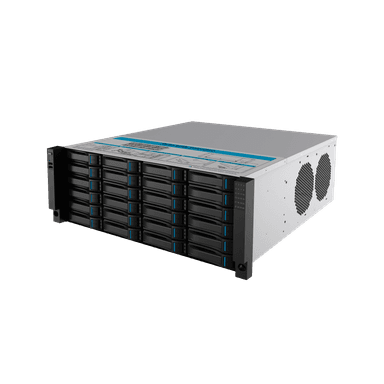
Multi-SATA storage bays give facility managers the flexibility to configure storage based on retention policy. Models with up to 16 SATA bays allow organisations to store weeks or months of footage without relying on external storage solutions.
H.265+ compression significantly reduces storage consumption compared to older H.264 recording, allowing more footage to be stored per terabyte without sacrificing video quality.
STQC-certified brand, manufactured in India - HiFocus is one of the few Indian CCTV manufacturers to hold STQC certification, making our NVR systems a compliant choice for government tenders, PSU procurement, and institutional purchasing under Make in India guidelines.
Frequently Asked Questions
Q1: What is the difference between an NVR and a DVR?
A DVR (Digital Video Recorder) records footage from analog or HD CCTV cameras over coaxial cable. An NVR records footage from IP cameras over a network connection. NVRs offer higher scalability, support for higher resolutions, including 4K, and easier remote management, making them the preferred choice for new installations.
Q2: How many cameras can a HiFocus NVR support?
HiFocus NVRs are available in 8, 10, 16, 32, 40, 64, 80, and 160-channel variants. The right choice depends on your current camera count and planned expansion.
Q3: Can HiFocus NVRs record 4K footage?
Yes. Select HiFocus NVR models support 4K (8MP) recording per channel. These models are suited for deployments where high-resolution footage is required for identification purposes, such as entry points, cash counters, and parking areas.
Q4: How much storage does an NVR need for 30 days of recording?
Storage requirements vary based on camera count, resolution, frame rate, and whether recording is continuous or motion-triggered. As a general guideline, a 16-camera system recording at 1080p continuously requires approximately 8 to 12TB for 30 days of footage.
Q5: Are HiFocus NVRs compatible with third-party IP cameras?
HiFocus NVRs support ONVIF-compliant IP cameras from other manufacturers. However, for full feature compatibility, including smart features and centralised management, pairing with HiFocus IP cameras is recommended.
Q6: Can footage be accessed remotely from a HiFocus NVR?
Yes. All HiFocus NVR models support remote access via a mobile application and a desktop client. Security managers can view live feeds, review recorded footage, and receive alerts from anywhere with an internet connection.
Q7: What is the difference between an NVR and an AI NVR?
A standard NVR records and stores footage from IP cameras. An AI NVR does the same but also runs real-time video analytics on the recorder itself, such as face detection, intrusion detection, and vehicle recognition.
Q8: What is SATA in an NVR?
SATA (Serial ATA) refers to the hard drive bays inside the NVR where surveillance footage is stored. A 1-SATA NVR supports one hard drive; an 8-SATA NVR can house eight drives simultaneously for much greater storage capacity. The right number of SATA bays depends on the number of cameras, recording resolution, and required footage retention period.
Designed to Work with the Full HiFocus Ecosystem
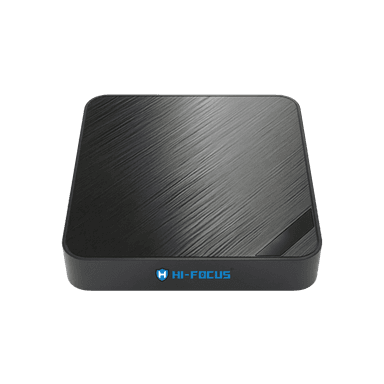
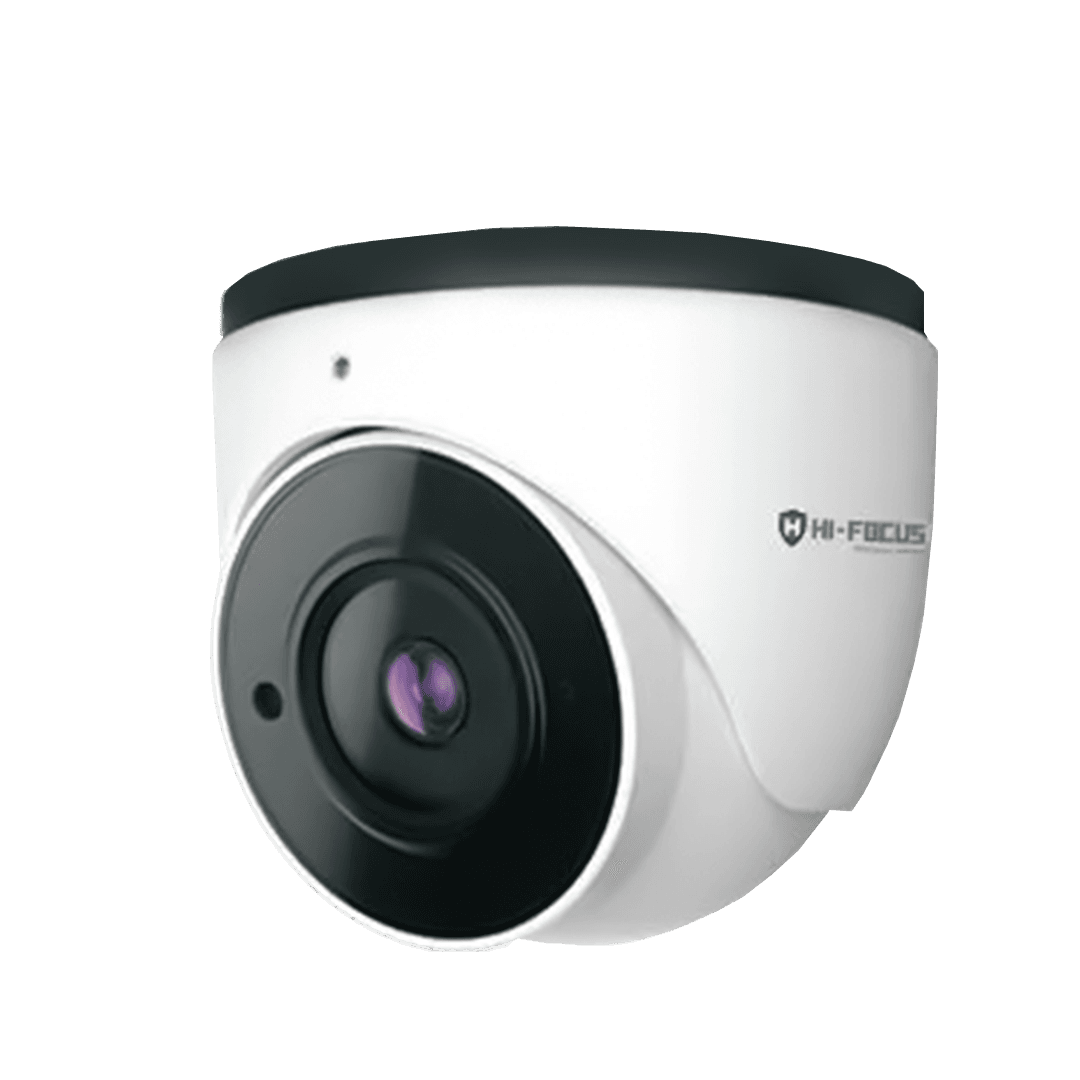
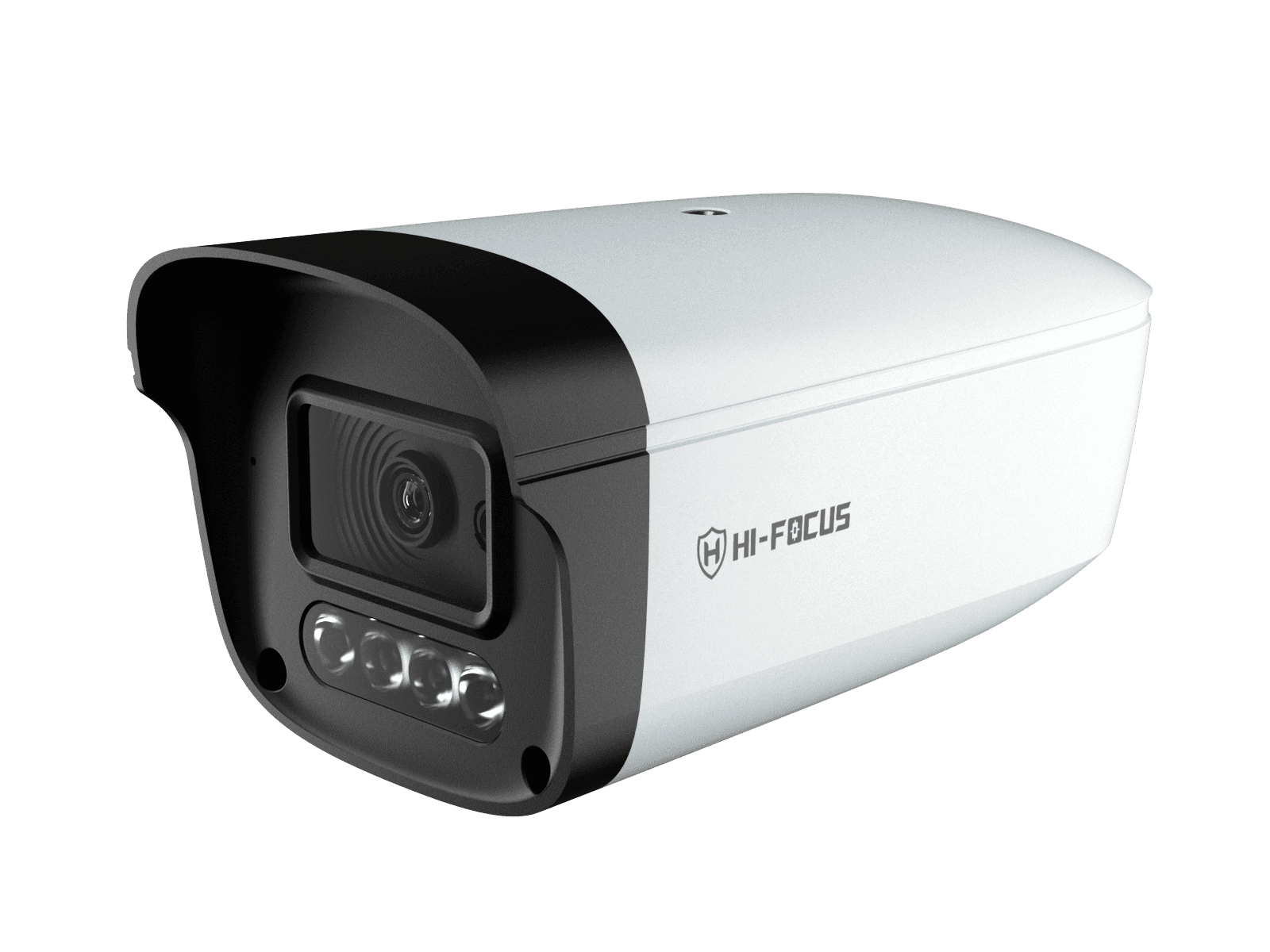
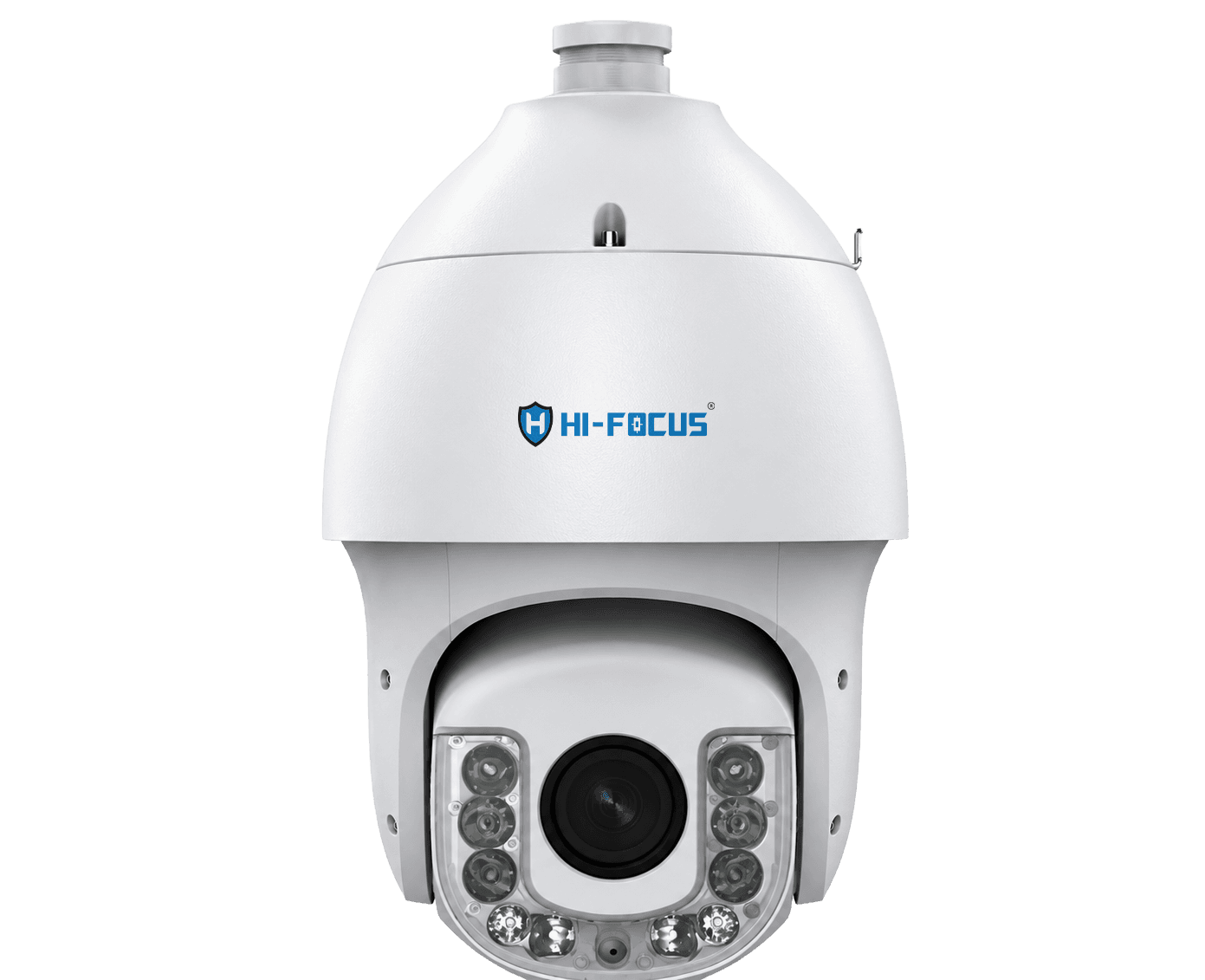
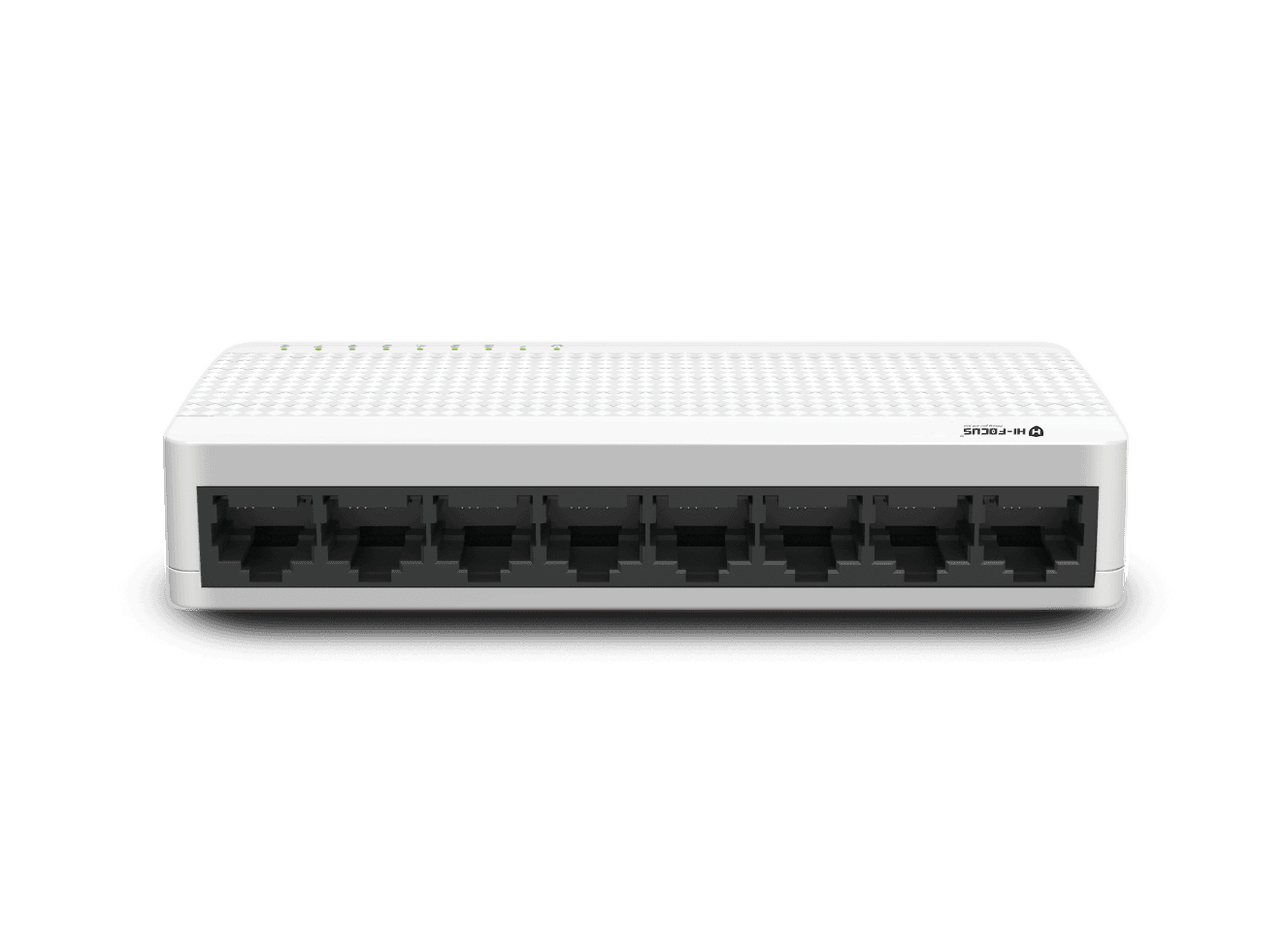
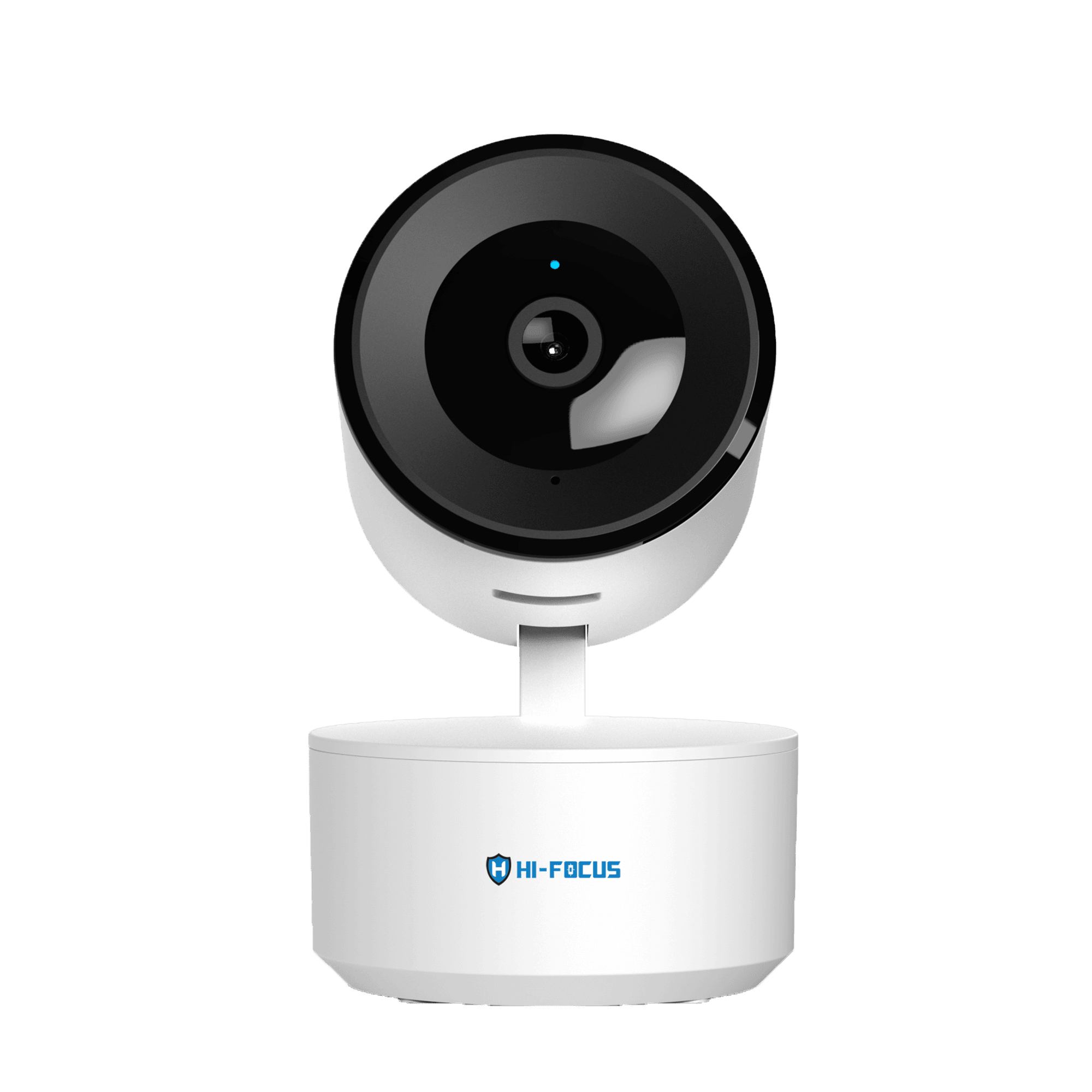
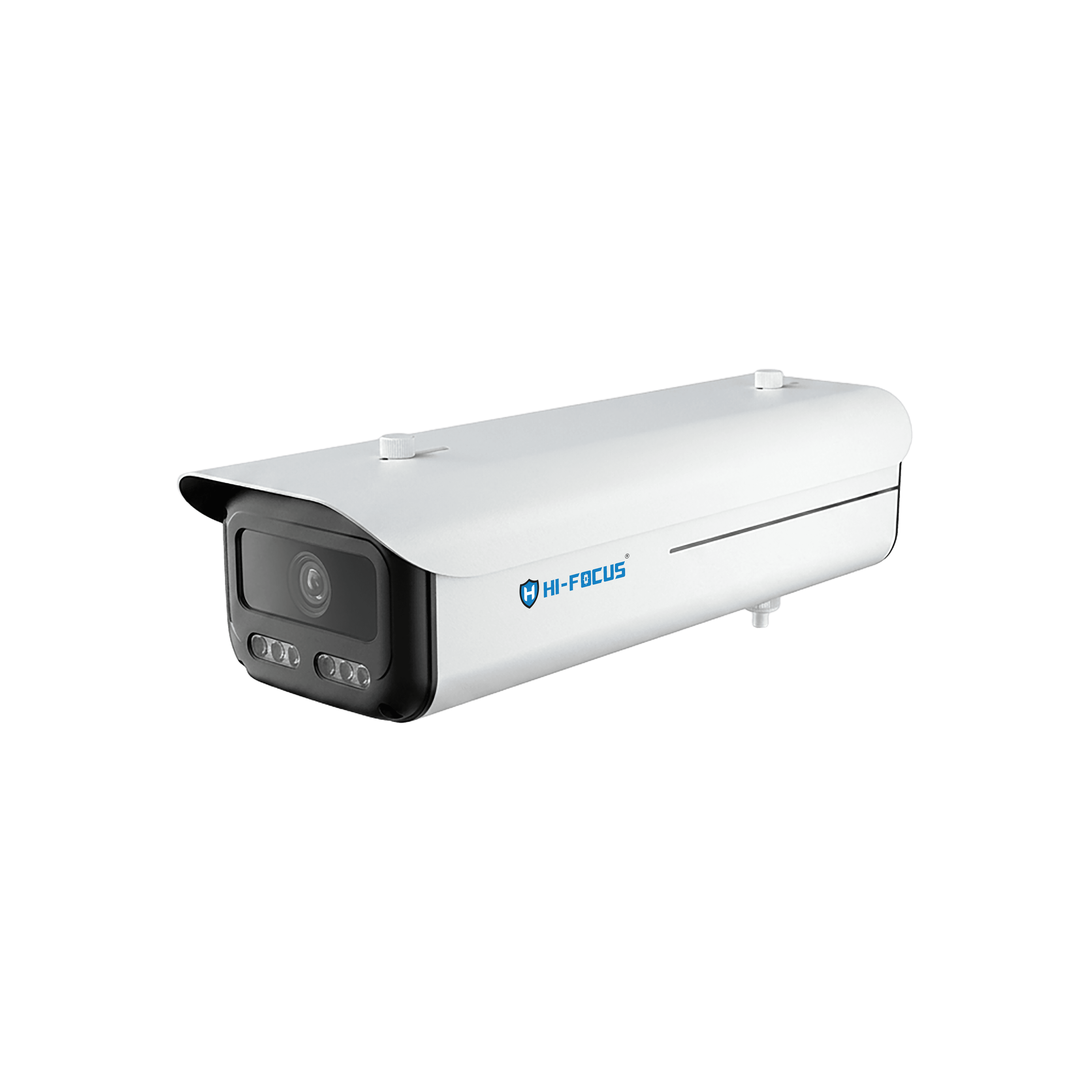
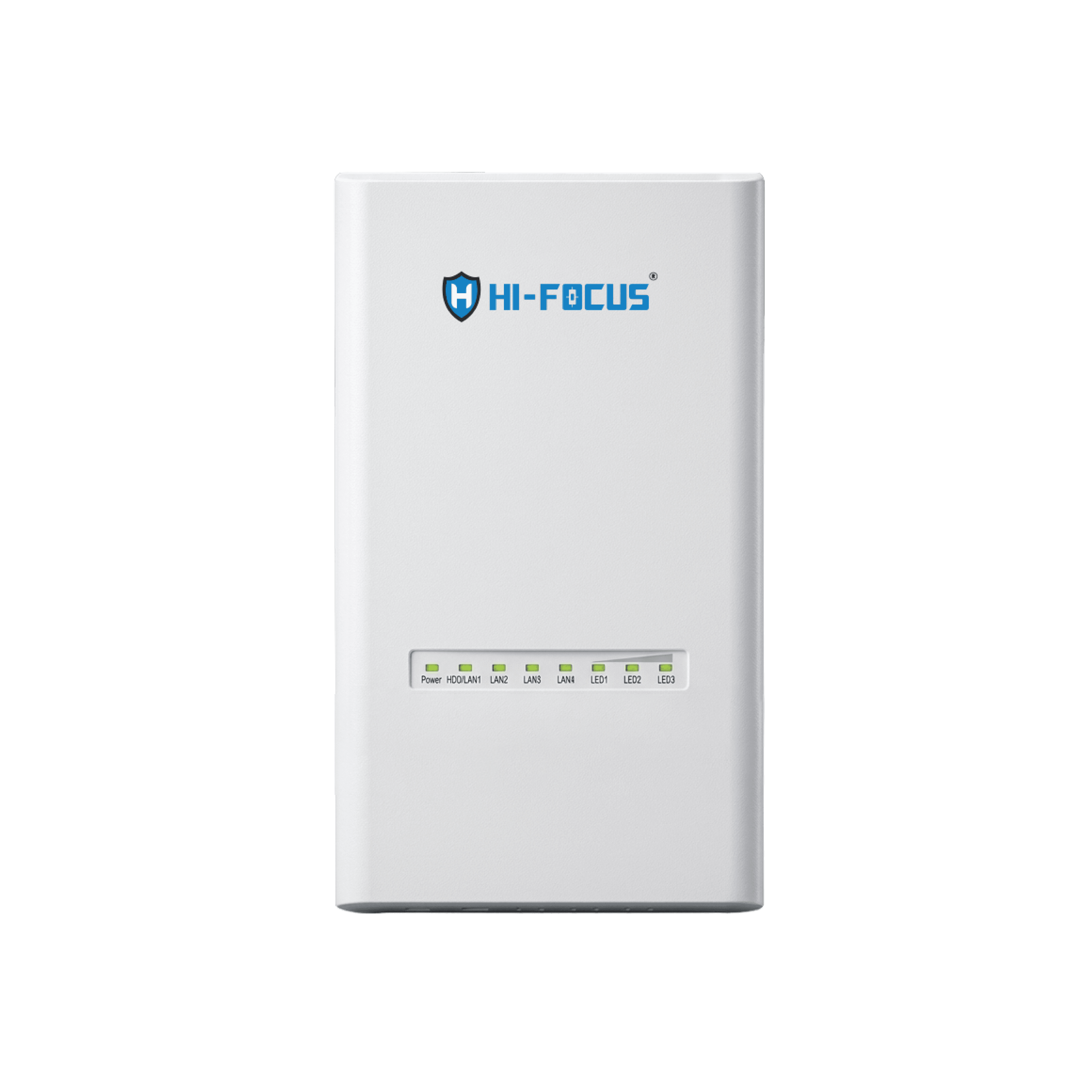
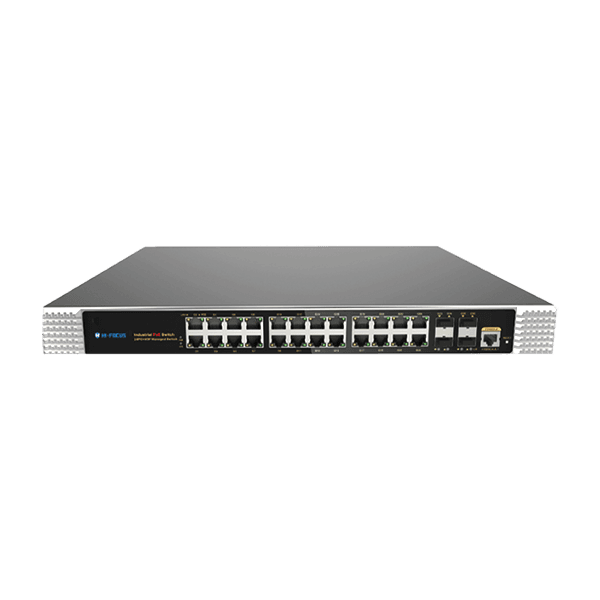
HiFocus NVRs are purpose-matched with the complete HiFocus camera range. Pair them with IP cameras for high-resolution fixed monitoring, Network PTZ cameras for intelligent wide-area tracking, or POE Switches to build a clean PoE-powered infrastructure with minimal cabling complexity. For organisations that still use analog cameras alongside IP units, our Hybrid Video Recorders offer a flexible migration path.
Contact the HiFocus team for channel-wise project scoping, compatibility verification, and tender documentation support.


_1779869730131_24da0140ddad.png&w=3840&q=75)