CCTV cameras are no longer just deterrents mounted on walls. In today’s environment, they form part of a business’s operational backbone. From retail stores and apartment complexes to hospitals and warehouses, surveillance systems now influence compliance, insurance claims, employee safety, and even dispute resolution.
Yet, one critical factor is often overlooked during procurement certification.
Understanding the Importance of Certified CCTV systems can help businesses avoid technical failures, legal complications, and long-term financial loss. Whether you are a business owner, system integrator, institutional administrator, or homeowner, choosing certified equipment is not a premium decision; it is a practical one.
What Does “Certified CCTV” Actually Mean?
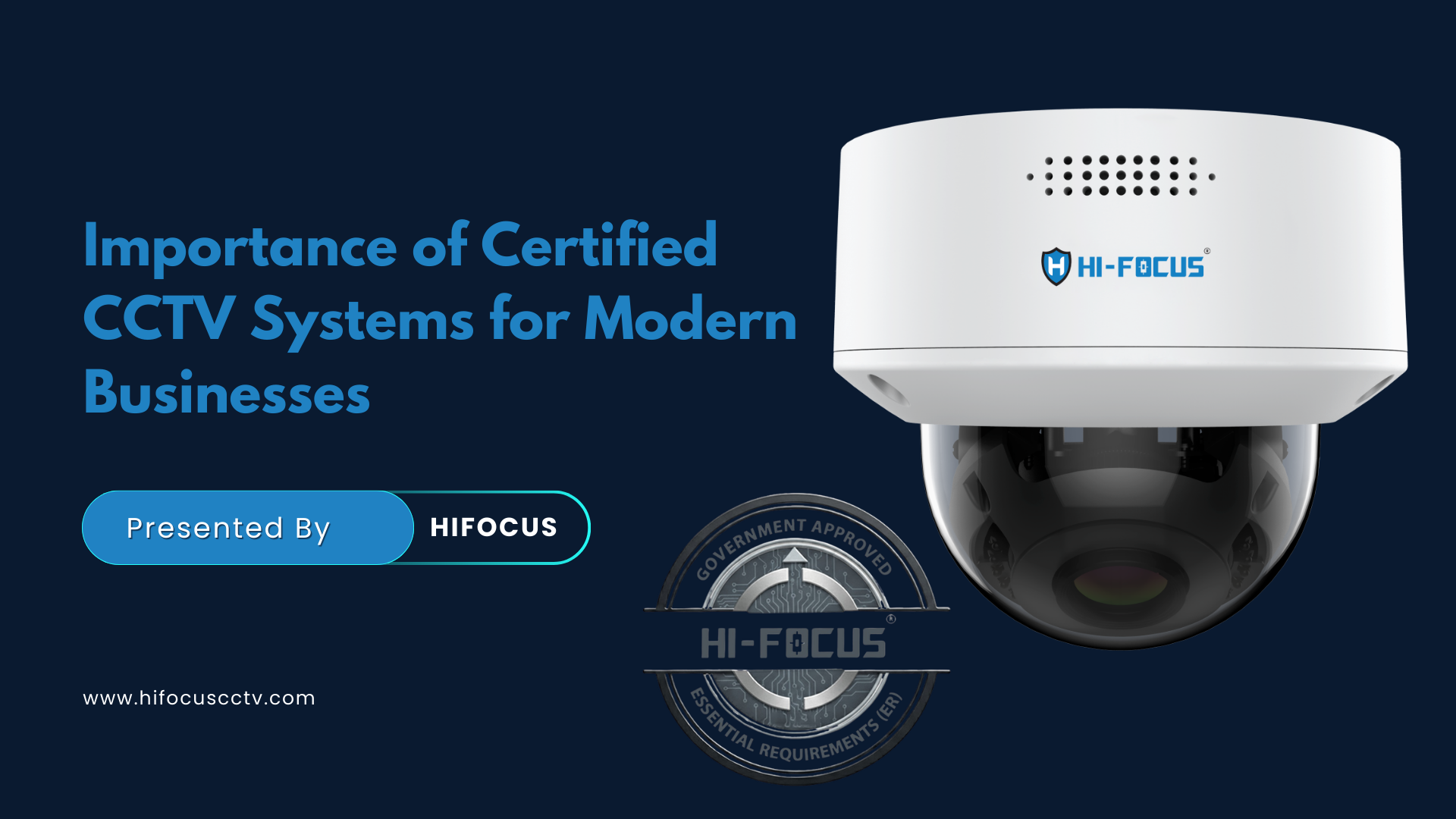
A certified CCTV system complies with recognized quality, safety, and performance standards set by authorized bodies. In India, certifications such as BIS, STQC, ISO compliance, and other regulatory approvals validate that the product has passed structured testing.
STQC certified CCTV company typically maintain defined service networks, an essential factor for multi-location enterprises.
Certification typically covers:
Electrical safety standards
Video resolution and performance benchmarks
Cybersecurity safeguards (for IP cameras)
Environmental durability (heat, dust, humidity)
Firmware reliability and data integrity
Why the Importance of Certified CCTV Is Growing in India
1. Compliance and Legal Protection
Hospitals, educational institutions, transport hubs, and corporate offices are increasingly required to maintain reliable surveillance records. If footage is needed for legal or regulatory review, poor-quality or corrupted video can create liability issues.
2. Cybersecurity Risks in IP Surveillance
Modern CCTV systems are connected devices. Unsecured IP cameras can become entry points for cyber threats.
Certified systems from reputable manufacturers typically undergo cybersecurity assessments, firmware validation, and regular update cycles. This significantly reduces the risk of network breaches.
3. Environmental Reliability in Indian Conditions
India’s climate varies dramatically, from extreme heat in Rajasthan to coastal humidity in Chennai, and dust-heavy industrial zones in North India.
Certified cameras are tested for IP ratings (dust and water resistance), voltage stability, and temperature tolerance. This ensures consistent performance across environments.
4. Long-Term Cost Efficiency
Uncertified systems may appear economical initially. However, recurring failures, downtime, replacement costs, and poor after-sales support often increase the total cost of ownership.
The advantages of a Certified CCTV company include standardized quality checks, genuine spare parts, and documented warranty processes, reducing operational surprises.
What Are the Practical Advantages of Choosing a Certified CCTV Brand?
When evaluating the Importance of a certified CCTV brand, decision-makers should consider:
Predictable Performance
Certified products follow consistent manufacturing standards. Frame rates, resolution, and recording stability are less likely to fluctuate.
Easier Insurance and Compliance Documentation
Many insurers and regulatory frameworks prefer certified surveillance equipment for risk mitigation.
Integration Compatibility
Certified systems are more likely to integrate seamlessly with access control, fire safety systems, and centralized monitoring software.
Structured Support Infrastructure
Real-World Example: Retail Shrinkage & Evidence Integrity
Consider a retail chain operating across multiple cities. Inventory shrinkage of even 2% can significantly impact annual margins. If an incident occurs but the footage is unclear due to low resolution or corrupted storage, recovery becomes difficult.
Certified high-resolution systems with stable recording and reliable storage make incident review actionable, not frustrating.
Similarly, in residential apartments, certified surveillance ensures that entry-exit monitoring, lift lobby recording, and parking coverage remain dependable during disputes.
How to Identify a Certified CCTV System
Before procurement, ask:
Does the product comply with BIS, STQC, or ISO standards?
Are firmware updates documented?
Is there clarity on IP ratings (IP66/IP67 for outdoor use)?
Does the manufacturer provide detailed technical documentation?
Is there a service network within your region?
The Role of Certified CCTV in Smart Infrastructure
India’s urban infrastructure is becoming smarter, with smart buildings, smart campuses, and integrated command centers. Surveillance is now part of digital ecosystems.
Certified systems support:
Remote monitoring
AI-enabled analytics
Cloud-based storage integration
Multi-site centralized dashboards
A Thoughtful Approach to Choosing the Right Partner
Choosing certified equipment is important, but so is selecting the right manufacturer.
Established Indian CCTV brands like HIFOCUS have built their presence by offering a wide portfolio of surveillance solutions suited for businesses, institutions, and residential environments.
From HD cameras to WiFi smart cameras, and sector-specific deployments for apartments, office buildings, and retail stores, structured manufacturers provide both product range and technical guidance.
Final Thoughts:
The Importance of Certified CCTV lies in long-term reliability, compliance readiness, and operational confidence. For modern businesses in India, surveillance is no longer optional. It protects assets, supports investigations, strengthens compliance, and builds stakeholder trust.
Choosing certified systems ensures that when footage is needed most, it performs exactly as expected.
Organizations seeking structured guidance can consult experienced providers like HIFOCUS to understand available options and design systems aligned with their infrastructure needs. A careful evaluation today prevents avoidable risks tomorrow.