A standard CCTV camera has no business being inside a cement plant.
That sounds obvious, but you would be surprised how often facilities across India install general-purpose cameras in environments that will break them within months. Dust, extreme heat, chemical exposure, vibration, and direct physical contact from workers or heavy machinery will shorten the lifespan of any camera that was not specifically designed for those conditions.
This guide covers what actually matters when selecting cameras for industrial use, and walks through five models that hold up where most cameras simply cannot.
Why Regular CCTV Cameras Fail in Industrial Settings
Foundries and steel plants operate at sustained ambient temperatures well above 50 degrees Celsius, sometimes reaching 70 or higher near furnace zones
Flour mills, cement plants, and quarries generate fine particulate matter that coats lenses and clogs cooling vents within weeks
Chemical plants produce corrosive vapours that degrade plastic housings and PCB-level components faster than almost any other environment
Oil refineries, LPG storage, and paint booths create explosive atmospheres where even a small internal spark can trigger disaster
Warehouses and logistics yards see repeated physical contact from forklifts, trolleys, and pallet jacks, which destroy standard camera mounts and housings over time
Ratings and Certifications You Must Understand Before Specifying
IP Rating (Ingress Protection)
The IP rating tells you how well a camera resists dust and water ingress. For light industrial interiors, IP65 is a reasonable minimum. For outdoor industrial environments or high-dust zones, IP66 or IP67 is required. IP67 indicates the camera can survive temporary water immersion up to 1 metre, relevant for food processing lines, car wash bays, and similar wet environments.
IK Rating (Impact Resistance)
Often overlooked during procurement. The IK rating measures resistance to mechanical impact. IK10 is the highest grade, rated to withstand a 20-joule impact. For areas with vehicle movement, machinery, or heavy foot traffic, specifying IK09 or IK10 rated cameras prevents a common and costly maintenance headache.
Explosion-Proof Certification
In Zone 1 and Zone 2 classified hazardous areas, including fuel storage, chemical processing, paint booths, and LPG handling, cameras must be certified explosion-proof. A standard IP66 camera is not safe here regardless of its build quality.
Wide Operating Temperature Range
India's industrial belt spans extreme heat zones in Gujarat, Rajasthan, and Andhra Pradesh as well as cold storage and refrigerated processing units. An industrial camera should operate reliably from at least minus 30 to plus 60 degrees Celsius without supplemental heating or cooling systems.
The 5 Industrial Environments That Demand Specialised Cameras
Environment 1: Oil, Gas, Chemical, and Hazardous Zone Facilities
Security teams managing CCTV for oil and gas stations face a combination of requirements that few cameras satisfy: explosion-proof certification, long-range coverage to reduce the number of units deployed in the hazardous zone, corrosion-resistant materials for outdoor and coastal installations, and full remote operability so staff do not need to enter the zone for camera adjustments.
Recommended CCTV Camera: — 2MP Explosion-Proof Network PTZ Camera
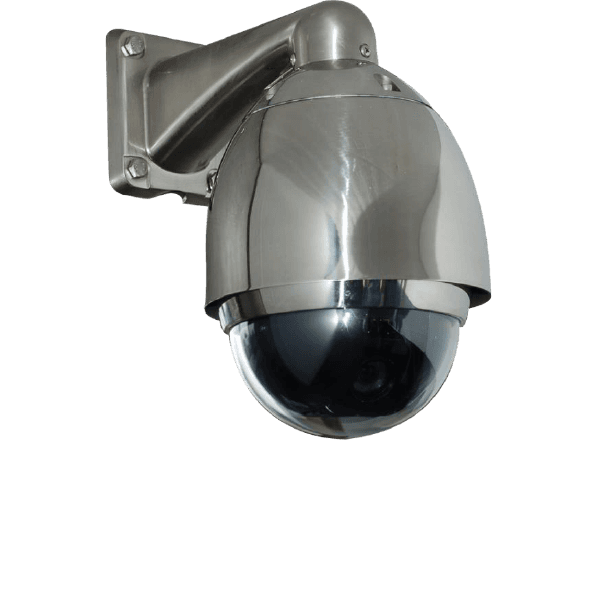
The 2MP EXPLOSION PROOF NETWORK PTZ CAMERA is purpose-built for this scenario. The housing is constructed from Stainless Steel 316L, the same material grade used in marine and chemical processing equipment specifically for its corrosion resistance. It delivers 33x optical zoom, 150-metre infrared night vision, and full PTZ functionality, meaning one camera can patrol a large hazardous zone without multiple fixed units being placed inside it.
True WDR at 120dB handles the high-contrast lighting typical of outdoor refinery scenes. Edge storage via microSD up to 256GB keeps footage available even if network connectivity is disrupted. H.265 compression keeps bandwidth manageable across remote site networks.
Environment 2: Large Industrial Plant Perimeters, Warehouses, and Logistics Parks
Teams managing surveillance for logistics and warehouse facilities need cameras that can cover wide areas without gaps, detect both human intruders and vehicle movement at distance, and perform consistently through rain, fog, and zero-light conditions that standard IR cameras struggle with.
Recommended CCTV Camera: 4MP Thermal PTZ Camera
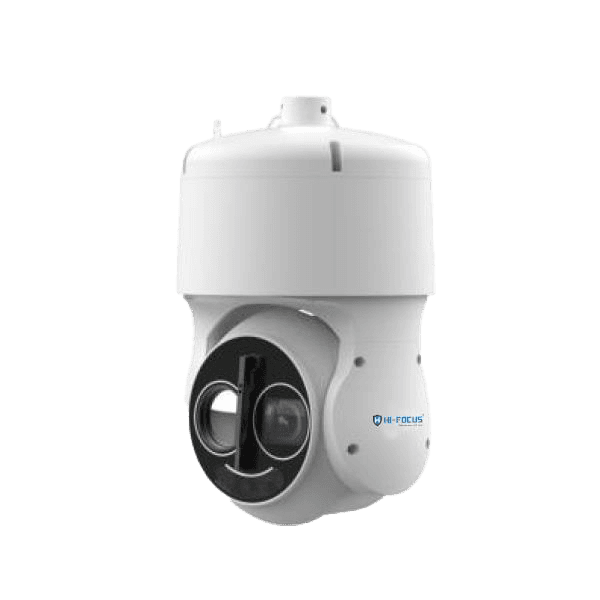
The 4MP Thermal PTZ Camera is purpose-built for wide-area perimeter and outdoor industrial monitoring. It combines a thermal imaging sensor using a 12-micron infrared detector with a 4MP visible light camera in a single unit, delivering what the industry calls dual-spectrum imaging. In practical terms, this means the camera detects heat signatures in complete darkness and through smoke or light fog where standard IR cameras become useless, while simultaneously capturing full-colour visible footage during daylight.
Environment 3: Factories, Production Floors, and Heavy Manufacturing Units
For teams overseeing CCTV on industrial factory sites, the ask is for cameras that combine rugged vandal-resistant housings with intelligent analytics like safety helmet detection, loitering alerts, and perimeter zone breaches, all without adding complexity to the installation.
Recommended CCTV Camera: 5MP Vandal Bullet MVF Network Camera
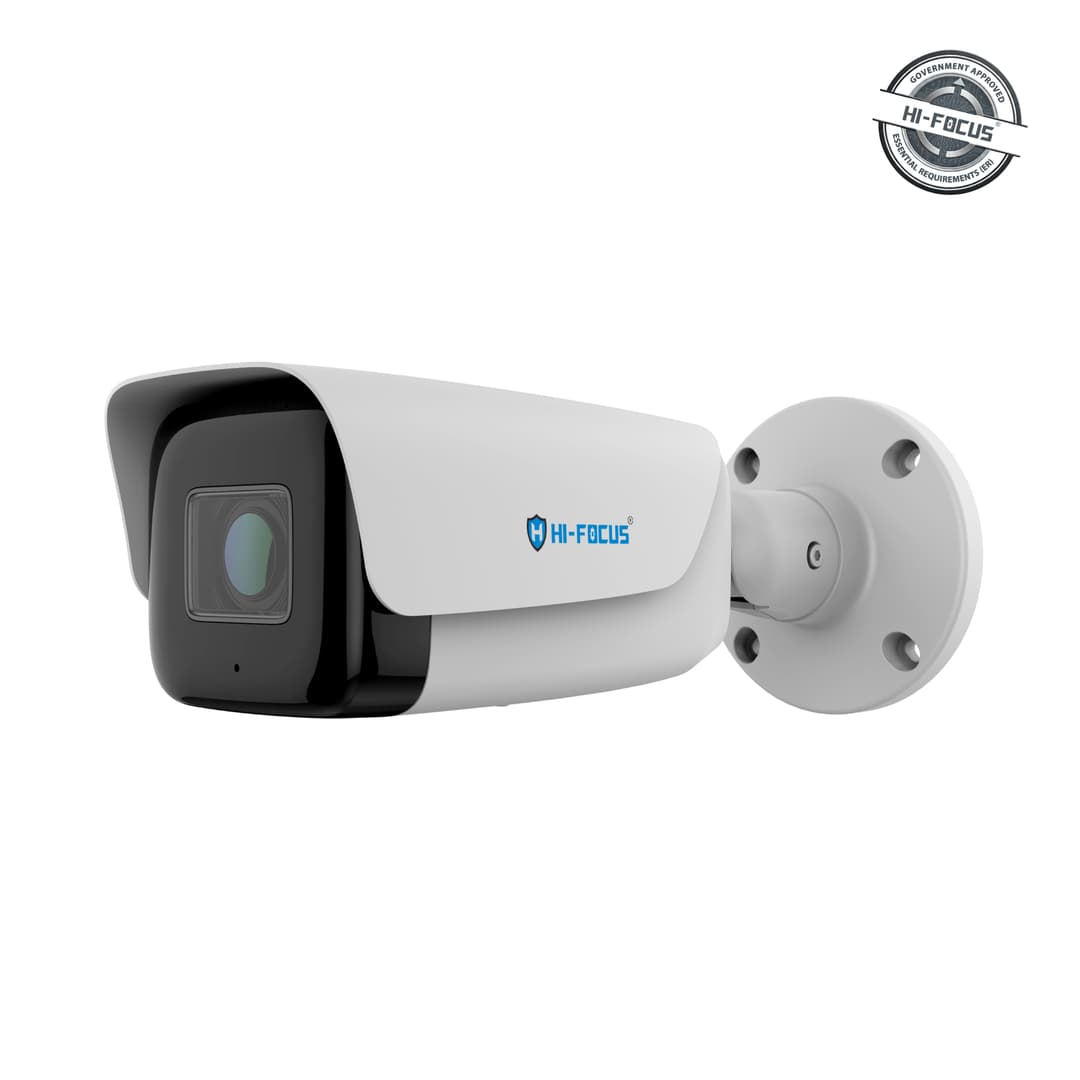
The 5MP Vandal Bullet MVF Network Camera is built around a 1/2.7" progressive scan Sony CMOS sensor with a minimum illumination of 0.002 Lux in colour, which means it captures usable footage in very low light without IR washing out the scene. The motorized varifocal lens adjusts from 2.7 to 13.5mm, giving 5x optical zoom and a DORI detection range of up to 240 metres, covering large factory floor spans from a single mounting point.
For a higher-budget installation with the same body type but slightly lighter analytics requirements, the2MP VANDAL BULLET MVF NETWORK CAMERA covers the same housing and build quality at a lower entry cost.
Environment 4: Construction Sites
Teams dealing with security on active construction sites need cameras that survive dust and rain without needing a controlled enclosure, can be repositioned as the site develops, and ideally work over 4G networks rather than depending on cabled infrastructure that does not yet exist.
Recommended CCTV Camera: 5MP Bullet Network Camera (IP67, Dual Light)
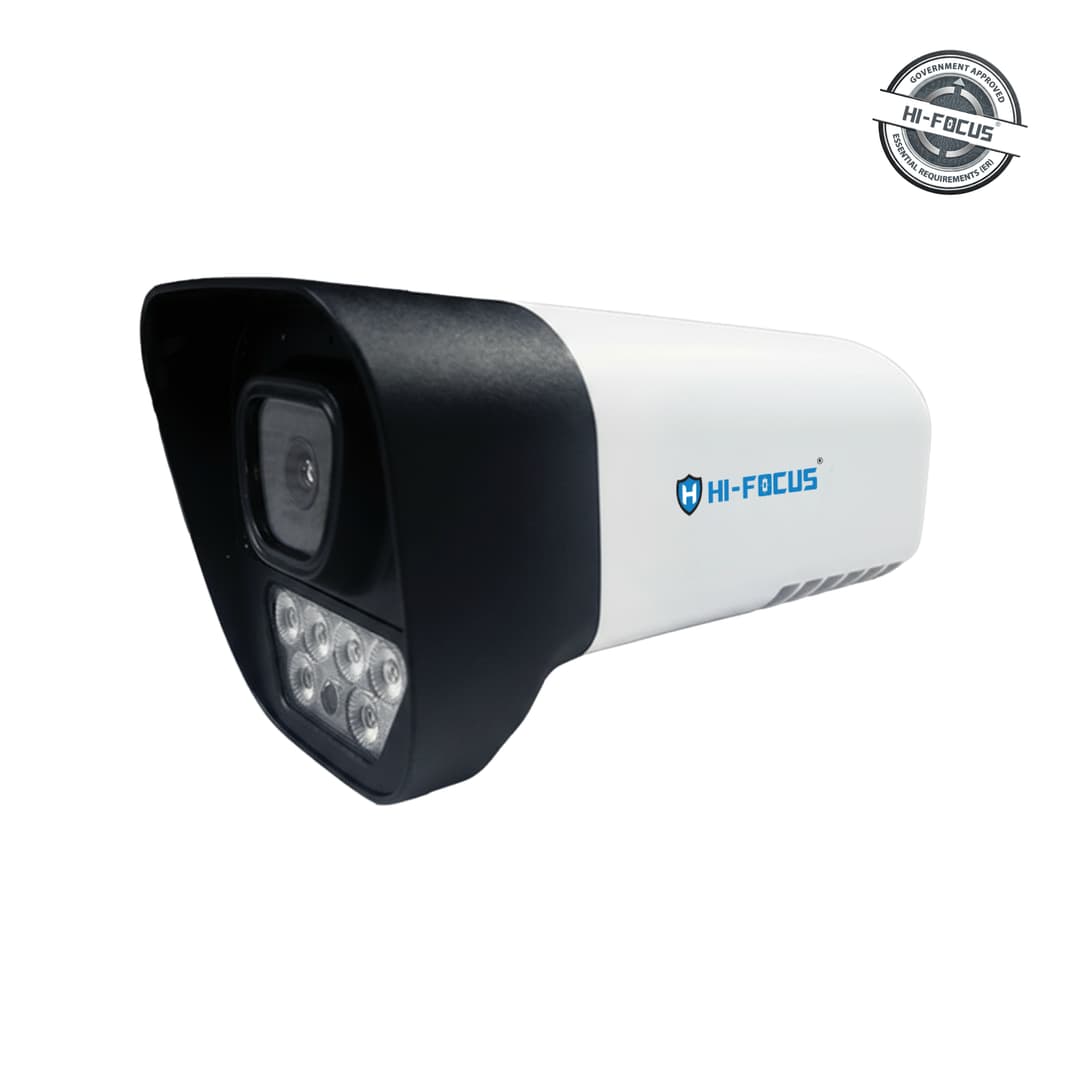
The 5MP Bullet Network Camera (IP67, Dual Light) hits the right combination for construction site deployment. It carries a Sony CMOS sensor, 5MP resolution at up to 2880x1620, and critically, both an 80-metre IR illuminator and a 50-metre white light LED in the same unit. This dual-light configuration means the camera can switch from infrared in routine night conditions to full-colour white light capture when something happens, giving you colour footage of faces and vehicles rather than monochrome IR when it matters most.
Environment 5: Warehouses, Cold Storage, and Distribution Centres
For dedicated warehouse surveillance deployments, the requirements include wide horizontal field of view to cover long aisle spans, resistance to physical impact, reliable night performance for overnight shifts, and integration with NVR-based systems that support extended footage retention for inventory dispute resolution.
Recommended CCTV Camera: Bullet Network Camera (IP67, PoE)
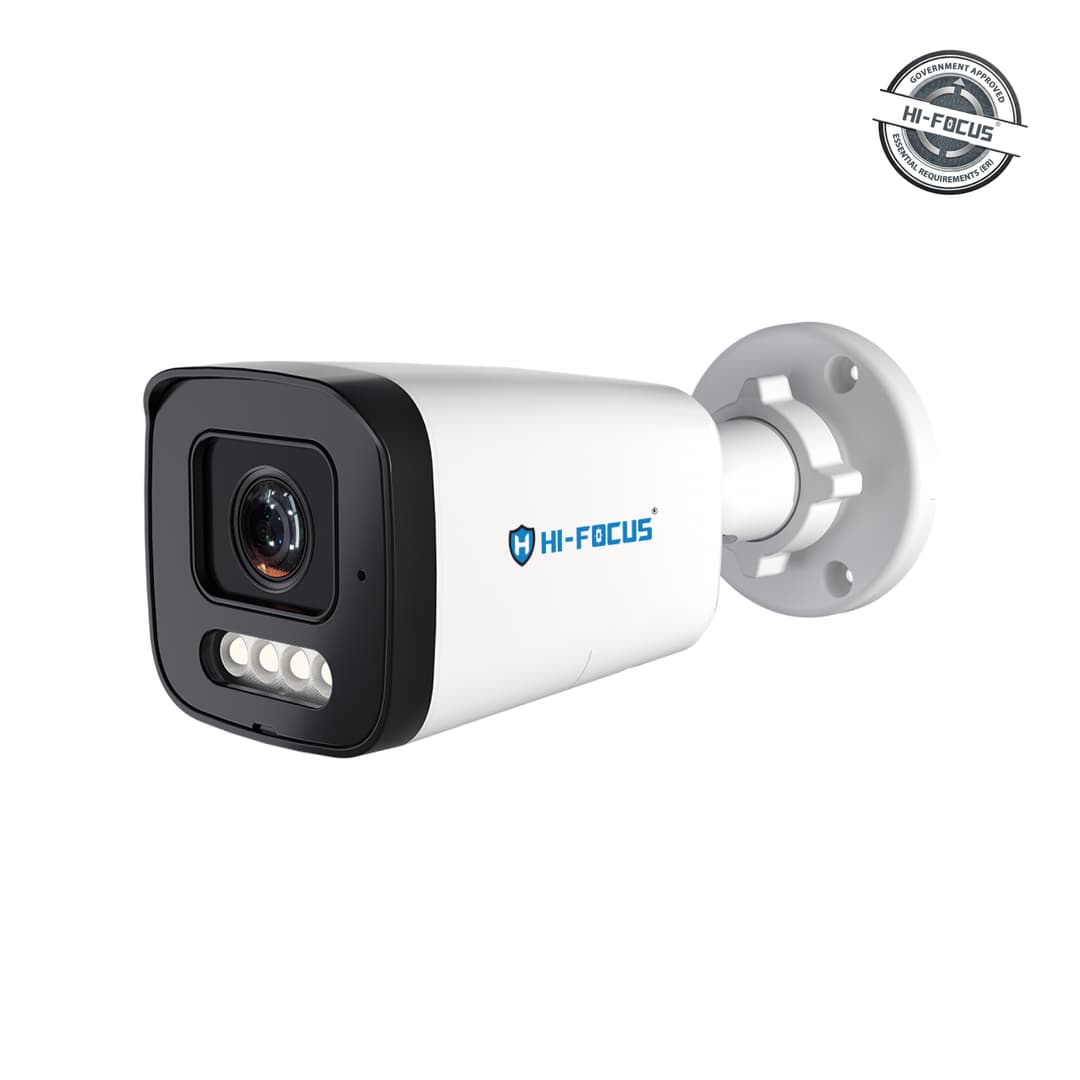
This BULLET NETWORK CAMERA is a PoE-powered 5MP bullet with IP67-rated protection, 40-metre smart IR, and 20-metre white light supplemental illumination. The 102.9-degree wide horizontal field of view makes it particularly effective for aisle-end coverage in warehouse racks, where a narrower camera requires either repositioning or additional units to avoid blind zones.
Quick Comparison: All Five Industrial Cameras at a Glance
Camera | Resolution | Housing | Best Environment | Key Differentiator |
HC-IPC-SD4420-X33-EX | 2MP | SS 316L, Explosion-Proof | Oil, gas, chemical zones | 33x zoom, certified for hazardous areas |
HC-IPC-SD464TH | 4MP Thermal + Visible | IP66, All-Metal | Plant perimeters, large outdoor areas | Thermal imaging, fire detection, dual spectrum |
HC-IPC-TI4315DVZK-N8-O | 5MP | Vandal-Resistant, IK-Rated | Factory floors, production units | Safety helmet detection, 240m DORI range |
HIPC-T4815-KDLS-I2 | 5MP | IP67 | Construction sites, outdoor areas | Dual light (IR + white light), 512GB edge storage |
HIPC-T4515-ADLS-I2 | 5MP | IP67 | Warehouses, distribution centres | Wide FOV, PoE, Smart H.265, ONVIF |
Top 5 Common Mistakes to Avoid When Deploying Industrial CCTV
Here are a few installation and specification mistakes that consistently reduce the effectiveness of industrial surveillance systems.
Underspecifying the IP rating. IP65 cameras are frequently installed in IP67 environments. The difference matters as soon as the monsoon season hits or a water pipe bursts near a mounting point.
Ignoring cable management. In dusty or chemical-laden atmospheres, poorly sealed cable entry points are the most common cause of early camera failure. Even an IP67 camera can fail prematurely if the conduit entry is not properly sealed.
Installing standard cameras in hazardous zones. This is both a safety violation and an insurance liability. If your facility has classified zones, explosion-proof certification is non-negotiable.
Not accounting for vibration. Cameras mounted near heavy machinery or compressors experience constant micro-vibrations that loosen fittings and damage internal components over time. Cameras with vibration-damped mounts and robust housing construction handle this far better.
Buying without considering cybersecurity. Industrial IP cameras connected to plant networks are potential entry points into operational technology environments. Cameras with secure boot, firmware authentication, and AES encryption, like those in HiFocus's IP range with HIT Technology, reduce this risk meaningfully.
You can read more about HiFocus's approach to cybersecurity in surveillance if this is a concern for your facility.
A Note on Traffic and Road Infrastructure Surveillance
Industrial surveillance increasingly extends to road-adjacent environments, including plant entry roads, weighbridge lanes, and vehicle dispatch yards. These areas benefit from Network PTZ cameras that can capture vehicle plate numbers and manage access.
HiFocus covers this space with dedicated traffic management surveillance solutions, including ANPR-integrated cameras and intelligent junction monitoring. If your industrial facility has a significant vehicle movement component, it is worth reviewing these options alongside the perimeter and zone cameras discussed in this guide.
Planning an Industrial CCTV System: Where to Start
Before selecting any camera, a site survey should identify the following:
Classified hazardous zones and their boundaries
Ambient temperature extremes at each proposed camera location
Dust type and concentration (fine particulate vs large debris behave differently)
Network infrastructure available or planned at each location
Retention requirements based on compliance, insurance, and operational needs
Integration requirements with existing VMS, access control, or fire safety systems
About HiFocus and How We Support Industrial Deployments Across India
HiFocus has been designing and supplying surveillance solutions for Indian industrial environments for over two decades. Our product range covers the full spectrum of industrial requirements, from entry-level IP67 bullet cameras for warehouse and construction deployments to explosion-proof PTZ units and thermal imaging systems for critical infrastructure.
All cameras within their certified IP range carry STQC certification, making them eligible for government and PSU procurement. HIT Technology, their in-house cybersecurity framework, is integrated at the firmware level across the IP camera lineup, addressing the growing risk of network-level intrusion in connected industrial systems.
If you are planning a new installation or reviewing an existing system for a factory, refinery, logistics hub, or construction project, the team at HiFocus offers site-specific consultations to help you specify the right solution before you commit to a procurement decision.
Frequently Asked Questions
Q: What IP rating is required for CCTV cameras in industrial environments?
For most outdoor or dusty industrial settings, IP66 or IP67 is recommended. IP66 protects against powerful water jets, while IP67 adds tolerance for temporary submersion. Anything below IP65 is not suitable for serious industrial use.
Q: Are explosion-proof cameras mandatory for oil refineries and chemical plants in India?
Yes, for any area classified as Zone 1 or Zone 2 under hazardous area classification standards, explosion-proof certified cameras are a safety requirement, not just a specification preference. Standard cameras, regardless of their IP rating, are not acceptable in these zones.
Q: Can thermal cameras detect fire in industrial environments?
Yes. Thermal cameras like the HC-IPC-SD464TH include intelligent fire detection algorithms that identify abnormal heat signatures in monitored areas and trigger alarms before a fire is visible to standard cameras.
Q: What is the difference between a vandal-proof and a standard outdoor camera?
A vandal-resistant camera carries an IK rating indicating its housing can withstand mechanical impact. Standard outdoor cameras may carry IP ratings for water and dust resistance, but no protection against deliberate or accidental physical contact. In industrial environments, IK08 or higher is worth specifying wherever cameras are mounted below 3 metres.
Q: Do industrial CCTV cameras work with standard NVR systems?
Most modern industrial IP cameras support ONVIF Profile S and Profile G, which ensures compatibility with a wide range of NVR and VMS platforms.
Q: How long do industrial CCTV systems typically need to retain footage?
This depends on the industry and compliance framework. Most manufacturing and logistics operations retain footage for a minimum of 30 days. Facilities in regulated sectors like oil and gas, pharmaceuticals, or defence may require 60 to 90 days or longer.