A gated apartment complex in India sees hundreds of people move through its gates every day: residents, domestic help, delivery personnel, visitors, maintenance staff, and cab drivers. With so much footfall, gaps in camera coverage are not just inconvenient; they are security risks.
Most apartment associations install a camera or two at the gate and call it done. But thefts, vehicle damage, package theft, and unauthorised access often occur not at the entrance but in blind spots, stairwells, basement parking corners, service entrances, and lift lobbies.
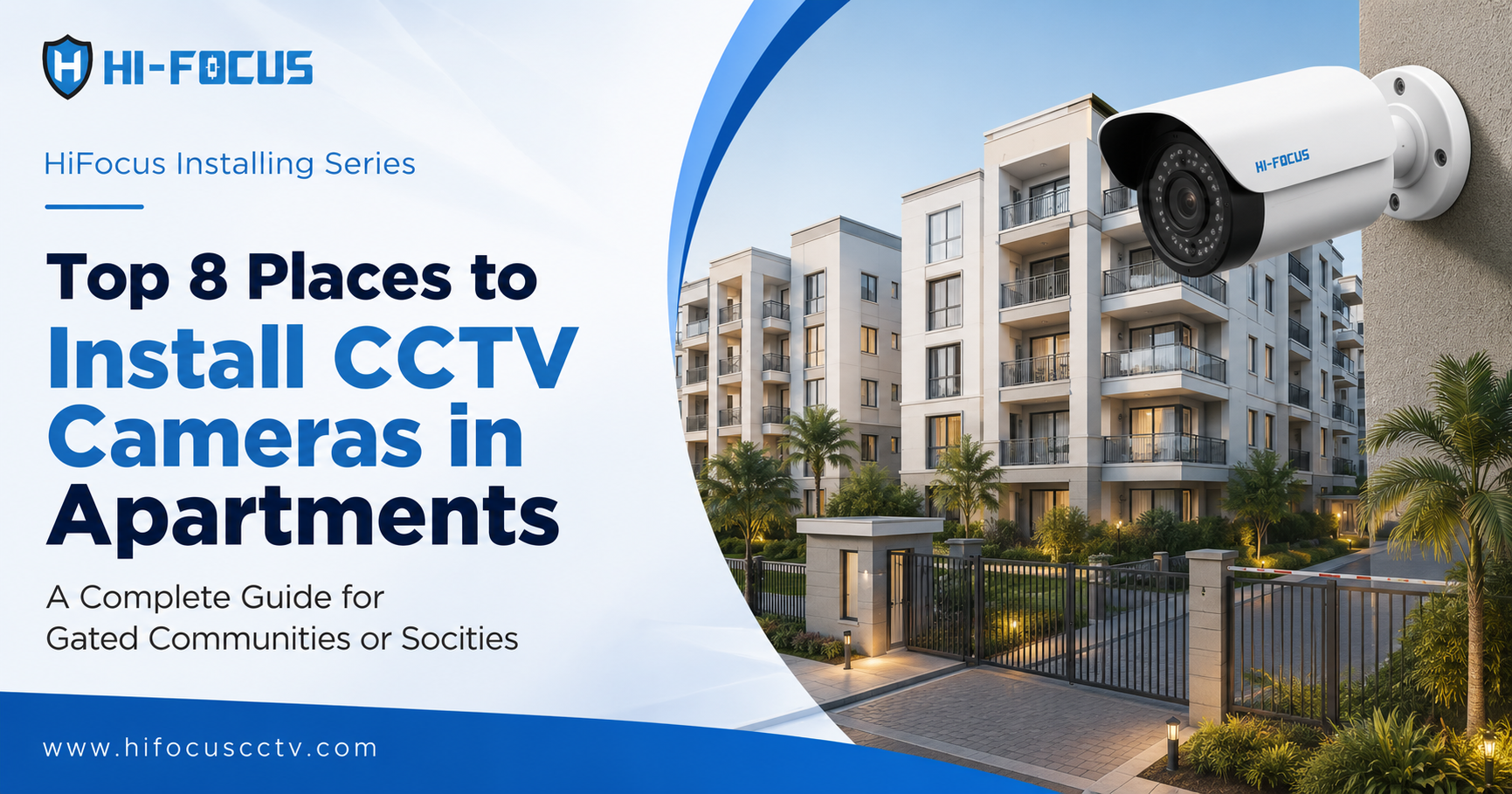
Knowing the right places to install CCTV cameras in apartments is the difference between having security cameras and having a security system that actually works. This guide breaks down every critical zone in a gated residential complex, explains what to cover in each, and recommends the right type of camera for the job.
Why Apartment Security Needs Zone-Based Planning
Public zones — Main gate, visitor parking, clubhouse- need visible deterrent cameras.
Semi-restricted zones — such as lift lobbies, corridors, and stairwells- need discreet yet functional coverage.
Restricted zones — Basement parking, service entrances, electrical rooms- need tamper-resistant cameras with good low-light performance.
Perimeter zones — Boundary walls, compound gates, need weatherproof long-range cameras.
Key Takeaways:
A single camera at the gate leaves 80% of your complex vulnerable; strategic placement across all zones is essential
Parking areas, stairwells, and service gates are the top three blind spots in most Indian apartment complexes
Each zone needs a specific camera type; one size does not fit all
A well-planned 12-camera system covers more ground than 20 cameras placed randomly
Top 8 most important places to install CCTV cameras in apartments, ranked by priority.
1. Main Entrance and Security Gate

The main gate is the single most important location in any apartment complex. Every vehicle, visitor, and service provider passes through this point. A camera here should capture clear, face-level footage of every person entering and exiting on foot, and a second camera should capture vehicle number plates.
What to cover: The pedestrian entry turnstile, the vehicle boom barrier, and the security cabin.
Camera recommendation: A 5MP bullet IP camera mounted at a height of 2.5–3 metres, angled downward to capture faces at the gate. For vehicle plate capture, a dedicated ANPR network camera can automate entry logging, useful for complexes with 50+ units.
2. Secondary and Service Gates

Many apartment complexes have a rear or service gate used by housekeeping staff, garbage collection vehicles, and maintenance crews. These gates are often less monitored than the main entrance, making them a preferred entry point for unauthorised individuals.
What to cover: The gate itself and the pathway leading to it from both inside and outside the complex.
Camera recommendation: An outdoor bullet camera with IR night vision. If the service gate has limited lighting, a Dark Hunter full-colour low-light camera ensures colour footage even in near-darkness.
3. Basement and Visitor Parking

Parking areas are among the most incident-prone zones in any apartment complex. Vehicle theft, side mirror damage, accidental scratches, and disputes over parking spots are regular occurrences. Without footage, assigning responsibility becomes a matter of word against word.
Basement parking in Indian apartments has an additional challenge: poor lighting. Standard IR cameras struggle in vast, dark basements with reflective surfaces. This is where cameras with strong low-light performance matter the most.
What to cover: Each parking aisle, the entry and exit ramps, and the pedestrian access doors leading from the basement into the lift lobby.
Camera recommendation: HiFocus IP cameras with long-range IR or full-colour night vision, placed at both ends of each parking aisle. For covered basements, Dark Hunter full-colour cameras are particularly effective since they capture colour footage without the washed-out look of IR in reflective environments.
4. Lift Lobbies and Elevator Interiors

Lift lobbies on every floor are natural pinch points. Anyone entering a floor must pass through the lift lobby, making it an ideal location to track movement across the building. Elevator interiors themselves are also important — a small dome camera in the corner of the lift cabin records who enters and exits at each floor.
What to cover: The lift lobby corridor on each floor and one camera inside each lift cabin.
Camera recommendation: Compact vandal-proof dome cameras with wide-angle lenses for lift interiors. For lobbies, a 5MP dome camera in corridor mode (vertical orientation) covers the full length of the passage efficiently.
5. Stairwells

Stairwells are the most overlooked zone in apartment CCTV planning. They are also where a surprising number of incidents occur: residents using stairs to bypass the main entrance, service staff taking shortcuts, unauthorised individuals moving between floors undetected, and even petty theft in multi-storey buildings.
The challenge with stairwells is lighting. Many Indian apartment stairwells have timer-based lights or poor illumination, which makes standard cameras ineffective at night.
What to cover: Every alternate landing in the stairwell, positioned to capture both ascending and descending traffic.
Camera recommendation: A compact dome IR camera at every second landing. This reduces the number of cameras needed while maintaining continuous coverage. For complexes with 10+ floors, this is one of the most cost-effective additions to the surveillance plan.
6. Common Areas - Clubhouse, Gym, Children's Play Area

Modern apartments invest heavily in common amenities. These areas see significant footfall and are frequent locations for disputes, damage to equipment in the gym, lost items in the clubhouse, or incidents in the children's play area.
Cameras in common areas serve two purposes: they deter misconduct, and they provide evidence when an incident occurs. However, privacy considerations apply — cameras should cover the entry points and general activity zones, not changing rooms or washroom entrances.
What to cover: The entrance to each facility, the main activity area (gym floor, play area, party hall), and the reception or helpdesk if one exists.
Camera recommendation: Indoor dome cameras with wide-angle lenses. For larger clubhouses, a PTZ camera can provide flexible coverage of the full space.
7. Compound Wall and Perimeter
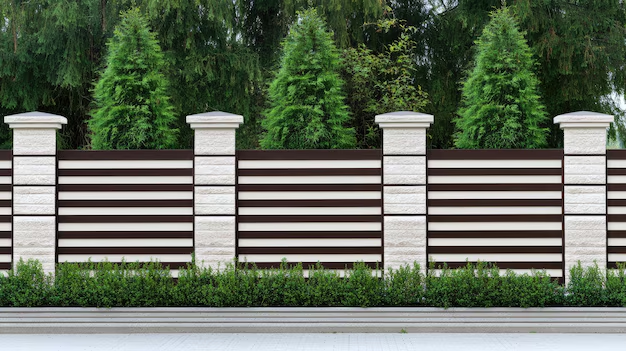
IMAGE SOURCE - https://wallsanddreams.com/boundary-wall-construction/
Perimeter breaches — someone jumping the wall or cutting through the fence — are not rare in Indian apartment complexes, especially those in developing areas or near vacant plots. A perimeter camera system acts as the first line of defence.
What to cover: The entire length of the compound wall, with special attention to corners, areas with dense tree cover, and sections adjoining neighbouring construction sites.
Camera recommendation: Outdoor bullet cameras with 30–50 metre IR range mounted on the building or on poles along the wall. For larger complexes, network PTZ cameras with auto-tracking can follow any suspicious movement along the perimeter automatically.
8. Garbage Collection and Waste Disposal Area
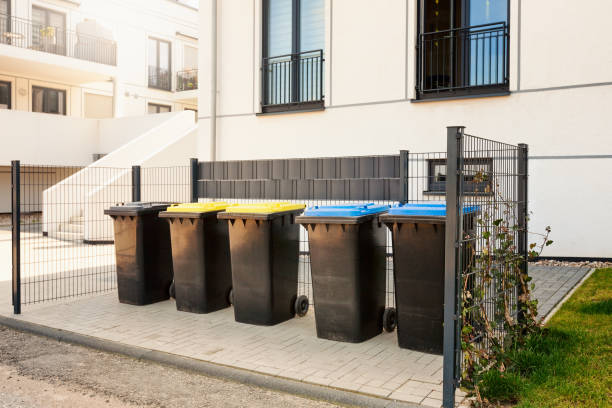
This is a zone that most apartment security plans miss entirely. The garbage area is often near the service gate, has poor lighting, and sees regular movement from housekeeping staff and external waste collectors. It is also a common location for unauthorised scavenging, small fires, and disputes between residents and staff.
What to cover: The approach path to the garbage area and the collection point itself.
Camera recommendation: A single outdoor bullet camera with IR, positioned to cover the collection area. This is a low-cost addition that covers a frequently overlooked risk.
Privacy and Compliance Considerations for Apartment CCTV
The Digital Personal Data Protection Act, 2023, applies to residential complexes that operate CCTV systems capturing footage of residents, staff, and visitors. Apartment associations should:
Display clear signage at all CCTV-monitored entry points and common areas.
Store footage securely with access restricted to authorised committee members or security personnel.
Define a retention period; 30 days is standard for most complexes — and overwrite footage automatically beyond that.
Never install cameras inside private spaces, units, bathrooms, changing rooms, or areas where residents have a reasonable expectation of complete privacy.
Planning Your Apartment's CCTV Installation
Every apartment complex has a different layout, but the zone-based approach applies universally. Start with the highest-risk zones, main gate and parking, and expand coverage systematically to stairwells, service gates, and common areas.
HiFocus provides customised CCTV solutions for apartments designed for the specific needs of gated residential communities in India. From STQC-certified IP cameras and vandal-proof domes to ANPR cameras and NVRs with RAID storage, every component is built for round-the-clock operation in Indian conditions.
A site survey by the HiFocus team can help identify exact camera positions, cable routes, and storage requirements based on your complex's layout and resident count.
Frequently Asked Questions
Where should CCTV cameras be installed in an apartment?
The most important places to install CCTV cameras in apartments are the main entrance gate, service gate, basement and visitor parking, lift lobbies and elevator interiors, stairwells, common areas (clubhouse/gym), compound wall perimeter, and the garbage disposal area.
How many CCTV cameras does an apartment complex need?
A small 20-unit complex with one building and a single entrance typically needs 8–12 cameras. A larger 100+-unit gated community with multiple buildings, basements, and common facilities may need 30–50 cameras. A proper site survey is the only accurate way to determine the right number.
Can CCTV cameras be installed inside lifts?
Yes. A small vandal-proof dome camera in the corner of the lift cabin is standard practice in most apartment complexes. It records who enters and exits at each floor.
What type of camera is best for basement parking?
Cameras with strong low-light performance, such as Dark Hunter full-colour IP cameras or bullet cameras with long-range IR, are best for basement parking. Standard IR cameras often struggle in large, dark basements with reflective surfaces.
Is it legal to install CCTV in common areas of apartments?
Yes, cameras in common areas, lobbies, parking, clubhouse, gates, and corridors are legal and standard practice. However, cameras must never be placed inside individual apartments, bathrooms, changing rooms, or any private space. Signage must be displayed in monitored areas.
Does HiFocus provide CCTV solutions for apartments?
Yes. HiFocus offers a complete range of CCTV cameras for apartments, including STQC-certified IP cameras, NVRs, ANPR cameras, and PTZs, with pan-India installation and after-sales support.
This article is part of the HiFocus Installing Series, a knowledge guide designed to help security planners, apartment association members, property managers, and system integrators make informed decisions about surveillance placement across different environments.
HiFocus is one of India's most trusted CCTV camera brands, offering 30+ STQC-certified IP cameras. Whether you are securing a 20-unit apartment or a 500-villa gated community, HiFocus has the product depth, compliance certifications, and service network to deliver a reliable surveillance system.
Request a free site survey and quote, the HiFocus team will assess your complex, recommend the right camera positions and products, and provide a detailed installation plan.