

For businesses planning an IP camera installation, understanding different types of network switches helps ensure smooth video transmission, reliable connectivity, and long term scalability.
From warehouses and manufacturing facilities to corporate buildings and campuses, selecting the right switch can significantly impact the efficiency of your surveillance system.
This guide explains the most commonly used network switches in CCTV systems and guides on selecting the right one for a business's security infrastructure.
What Is a Network Switch in a CCTV System
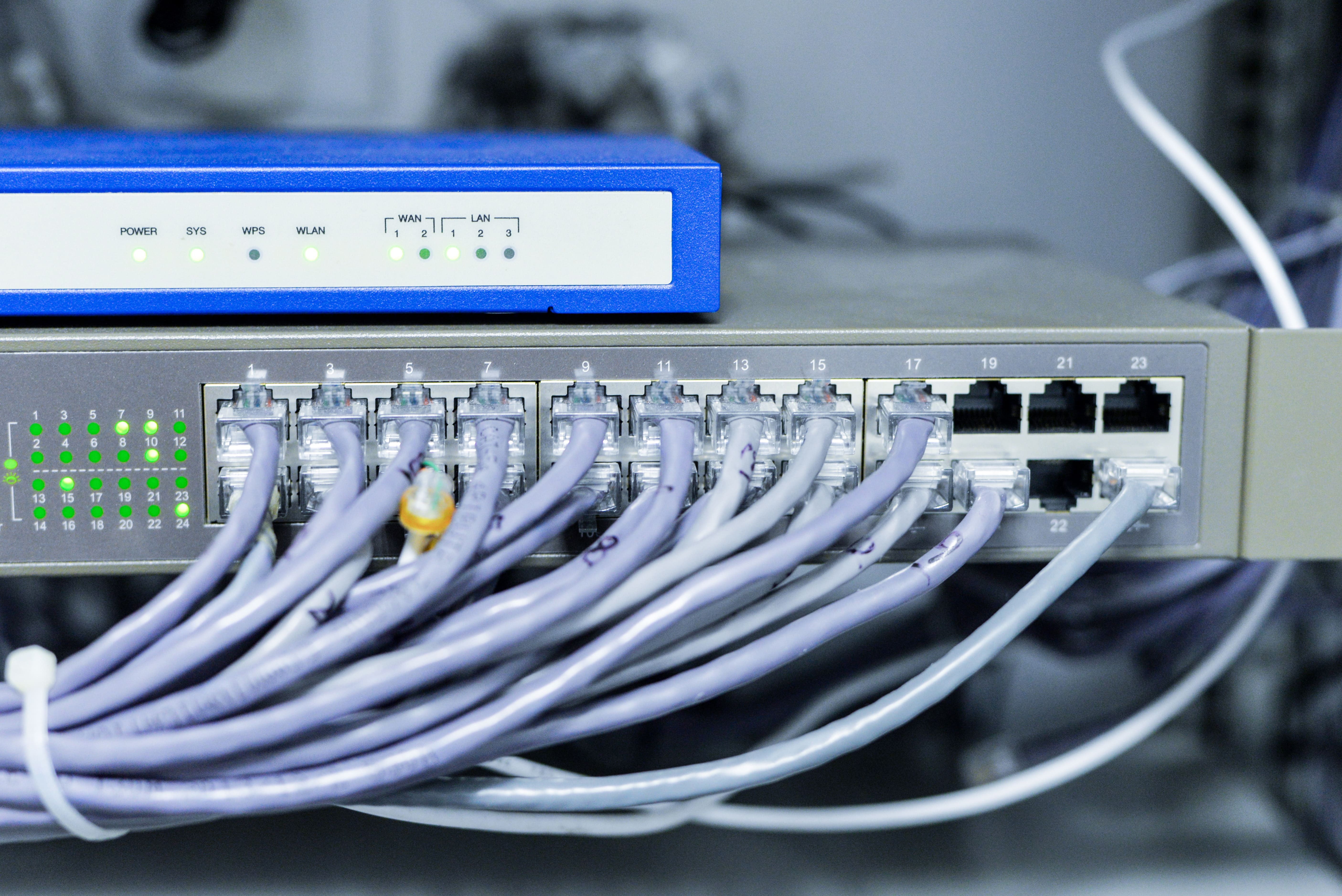
A network switch is a device that connects multiple IP cameras and other network equipment within a surveillance system. It allows cameras to communicate with recorders, monitoring systems, and network storage devices.
In an IP camera installation, the switch manages the flow of data between cameras and the recording system, such as high performance network video recorders NVR.
Without a reliable switch, the CCTV network may experience problems like video lag, connection interruptions, or unstable camera performance.
Why Network Switches Are Important for CCTV Systems
IP cameras transmit large volumes of video data continuously. A well designed switch ensures that this data moves efficiently through the network.
A good network switch helps businesses achieve several important benefits.
Reliable video transmission across all connected cameras
Better performance when multiple cameras operate at the same time
Support for high resolution footage and long term video storage
Simplified network management for large surveillance systems
Network Design Basics for CCTV Switches
For efficient IP camera installation, proper network planning is essential. Each camera consumes bandwidth based on resolution and frame rate, so the total load on the switch must be calculated to avoid lag or data loss.
PoE switches also have a fixed power budget, and high performance cameras can consume more power, especially with night vision enabled. Exceeding this limit can affect camera performance.
In larger setups, using VLANs helps separate CCTV traffic from regular network usage, improving both security and stability. Uplink ports or fiber connections are also important to handle data transfer from multiple cameras without bottlenecks.
PoE Switch for CCTV Cameras
Power over Ethernet switches, commonly known as PoE switches, are widely used in modern surveillance installations.
A PoE switch delivers both power and data to IP cameras through a single Ethernet cable. This eliminates the need for separate power supplies near each camera.
Benefits of PoE Switches
Simplified installation because only one cable is required
Reduced infrastructure costs since power adapters are not needed
Cleaner and more organized camera installations
Reliable power distribution for multiple cameras
Where PoE Switches Are Commonly Used
Corporate office buildings
Industrial facilities
Educational campuses
Warehouses and logistics centers
Commercial complexes
Most professional CCTV security services recommend PoE switches for modern IP camera installations because they simplify deployment and maintenance.
Desktop Switch for Small Surveillance Systems
Desktop switches are compact network switches designed for smaller setups.
They are typically used when only a few devices need to be connected within a network.
For example, a small office installing four or five IP cameras may use a desktop switch to connect cameras with the recorder and router.
Advantages of Desktop Switches
Compact size and simple installation
Cost effective solution for small networks
Suitable for offices or retail stores with limited camera installations
Gigabit Switch for High Performance CCTV Networks
In surveillance systems, HD CCTV Cameras generate significant data traffic. A gigabit switch allows the network to handle this data efficiently.
Why Gigabit Switches Are Important
Faster data transfer between cameras and recording systems
Better support for high definition and 4K cameras
Improved network stability when many cameras operate simultaneously
Reduced risk of video delays or dropped frames
Choosing the Right Switch for IP Camera Installation
_1774282878212_24790be18cb7.jpg)
Selecting the right switch depends on the scale and requirements of the surveillance system.
For Small Offices
Desktop switches may be sufficient when the number of cameras is limited and the network traffic is low.
For Medium Sized Installations
PoE switches are ideal because they simplify installation and power management for IP cameras.
For Large Commercial Systems
Gigabit PoE switches are often the best choice. They provide high speed connectivity and support large camera networks across warehouses, campuses, or corporate facilities.
When designing surveillance infrastructure, many businesses use a combination of these switches to optimize performance and cost.
Why Professional CCTV Security Services Matter
Network design is one of the most critical parts of a surveillance system. Improper switch selection can lead to bandwidth limitations and unstable camera connections.
Professional CCTV security services help businesses with several important tasks.
Analyzing network requirements for surveillance systems
Selecting suitable switches and camera infrastructure
Designing optimized network layouts for large facilities
Ensuring stable communication between cameras and recorders
A Reliable Solution for Modern Surveillance Systems
Businesses planning IP camera installations should work with experienced providers who understand both surveillance technology and network infrastructure.
Along with selecting the right cameras and recorders, it is equally important to build a stable network backbone using the correct switches. If you are also deciding between different camera connectivity options, on HIFOCUS, you may find our guide on Wired vs Wireless CCTV Systems for Businesses helpful in understanding which setup works best for commercial environments.
Conclusion
Network switches play a critical role in the performance of IP based surveillance systems.
PoE switches simplify camera installation and power management. Desktop switches support smaller CCTV setups. Gigabit switches provide high speed connectivity for large surveillance networks.
Choosing the right switch ensures that cameras, recorders, and monitoring systems work together smoothly.
For businesses investing in modern CCTV security services, building a strong network infrastructure is the foundation of a reliable surveillance system.