Night surveillance is one of the most challenging aspects of any CCTV system.
Many businesses invest in good cameras but still struggle with unclear footage at night. The reason is often not the camera quality, but poor placement. In warehouses, parking lots, and industrial areas, incorrect positioning can lead to blind spots, glare issues, and unusable recordings.
For businesses using professional cctv security services, camera placement plays a critical role in ensuring clear visibility during low-light conditions.
This guide by HIFOCUS - Leading Indian CCTV Brand, explains five practical camera placement strategies that can significantly improve night surveillance performance.
Why Camera Placement Matters More at Night
During the day, most cameras perform well because of natural light. At night, visibility depends on artificial lighting, camera sensors, and positioning.
Improper placement can result in:
Washed out footage due to the headlights
Dark zones with no visibility
Motion blur from moving objects
Limited coverage in large areas
Even advanced systems like high-performance network video recorders (NVRs) cannot compensate for poor camera angles. Placement must be planned carefully to get usable footage.
Top 5 Camera Placement Strategies for Better Night Surveillance
1. Position Cameras Near Light Sources
Cameras perform best when there is some level of ambient lighting.
Instead of placing cameras in completely dark areas, they should be installed near:
LED lights
Entry gate lighting
Parking lot poles
Warehouse loading areas
For businesses looking to enhance overall night performance, combining proper placement with the right technology is essential. You can also refer to our guide on improving night surveillance in warehouses and parking areas to understand how lighting and camera selection work together.
2. Avoid Direct Exposure to Headlights
One of the most common mistakes in parking areas is placing cameras directly facing incoming vehicles.
Headlights can cause:
Glare and overexposure
Loss of facial and license plate details
Temporary blindness in the footage
To avoid this, cameras should be placed at an angle rather than directly facing vehicle entry points.
For better results:
Mount cameras slightly above eye level
Tilt them downward toward the target area
Avoid direct alignment with vehicle movement
3. Focus on Entry and Exit Points
Entry and exit points are high-risk zones and should always be covered effectively.
At night, these areas require precise placement to capture:
Vehicle number plates
Faces of individuals
Movement patterns
Cameras should be positioned in a way that ensures objects pass through a well lit zone before entering or exiting.
If your setup involves different camera types or connectivity methods, understanding the right infrastructure also matters. You can explore how wired and wireless CCTV systems impact performance in different environments to make better decisions for such critical zones.
4. Eliminate Blind Spots in Large Areas
Warehouses and industrial facilities often have large open spaces.
Poor placement can leave gaps where no camera coverage exists. At night, these blind spots become even more risky.
To reduce blind spots:
Use overlapping camera angles
Install cameras at corners and junctions
Cover long aisles with multiple viewpoints
In large scale deployments, proper network planning is also important. Using the right switch and connectivity setup ensures that all cameras function without lag. You can refer to our guide on network switch types for CCTV systems to understand how infrastructure supports camera performance.
5. Maintain Optimal Mounting Height and Angle
Camera height and angle directly affect night visibility.
If cameras are installed too high:
Facial recognition becomes difficult
Important details may be missed
If cameras are too low:
They are more vulnerable to tampering
The field of view becomes limited
The ideal approach is:
Mount cameras at a moderate height
Angle them downward for better coverage
Ensure the target area is within the focus range
Common Placement Mistakes to Avoid
Even with good equipment, certain mistakes can reduce night surveillance efficiency.
Avoid:
Installing cameras in complete darkness without lighting support
Placing cameras too far from the target area
Ignoring reflective surfaces that cause glare
Using incorrect angles in parking zones
Practical Example
Consider a warehouse with a large parking area and multiple entry gates.
If cameras are randomly placed:
Some areas remain unmonitored
The footage becomes unclear due to poor lighting
Security incidents may go unnoticed
With proper placement strategies such as angled cameras, entry point coverage, and lighting alignment, the same system can deliver clear night footage and improve overall security.
Why Professional CCTV Security Services Matter
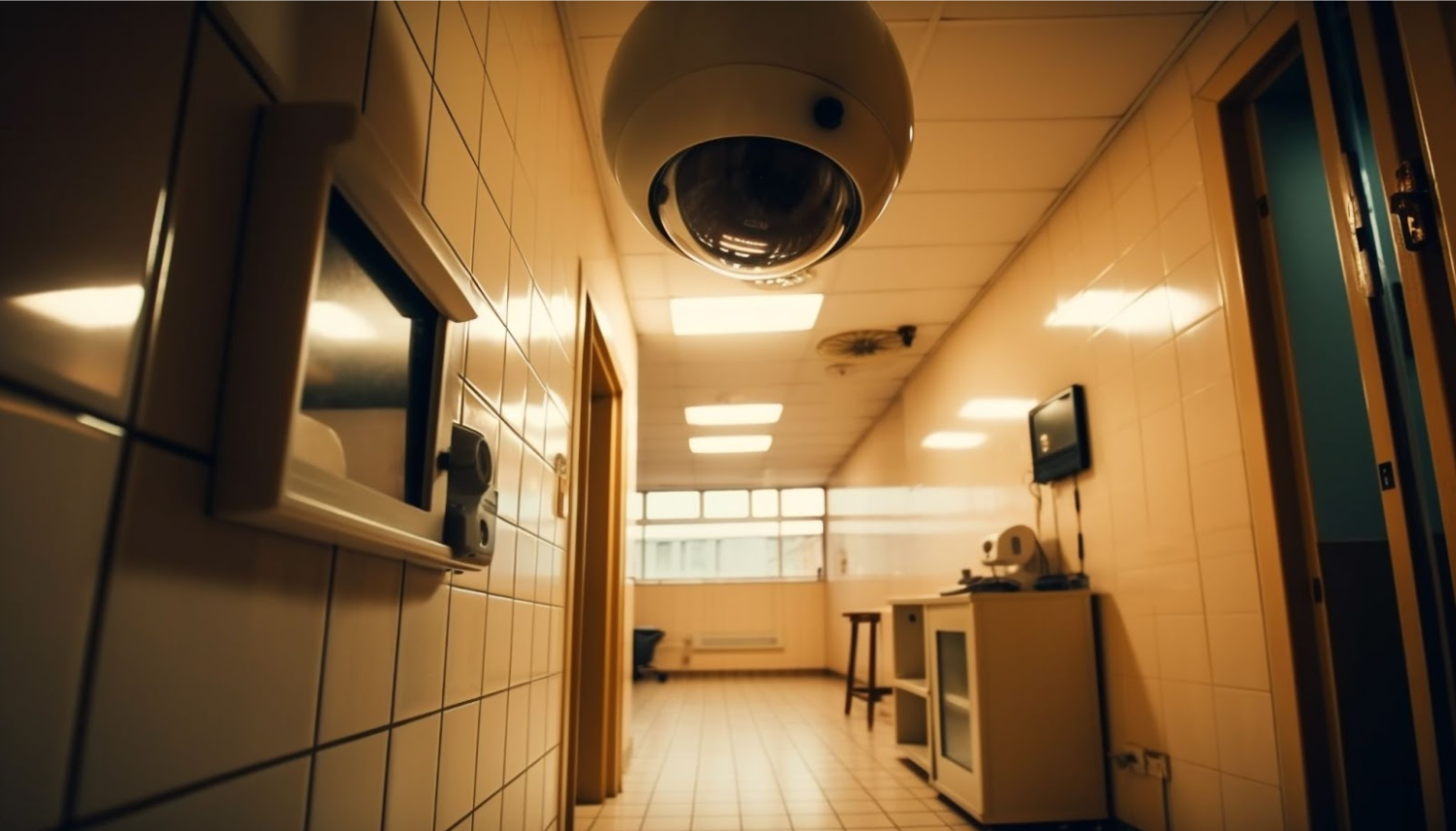
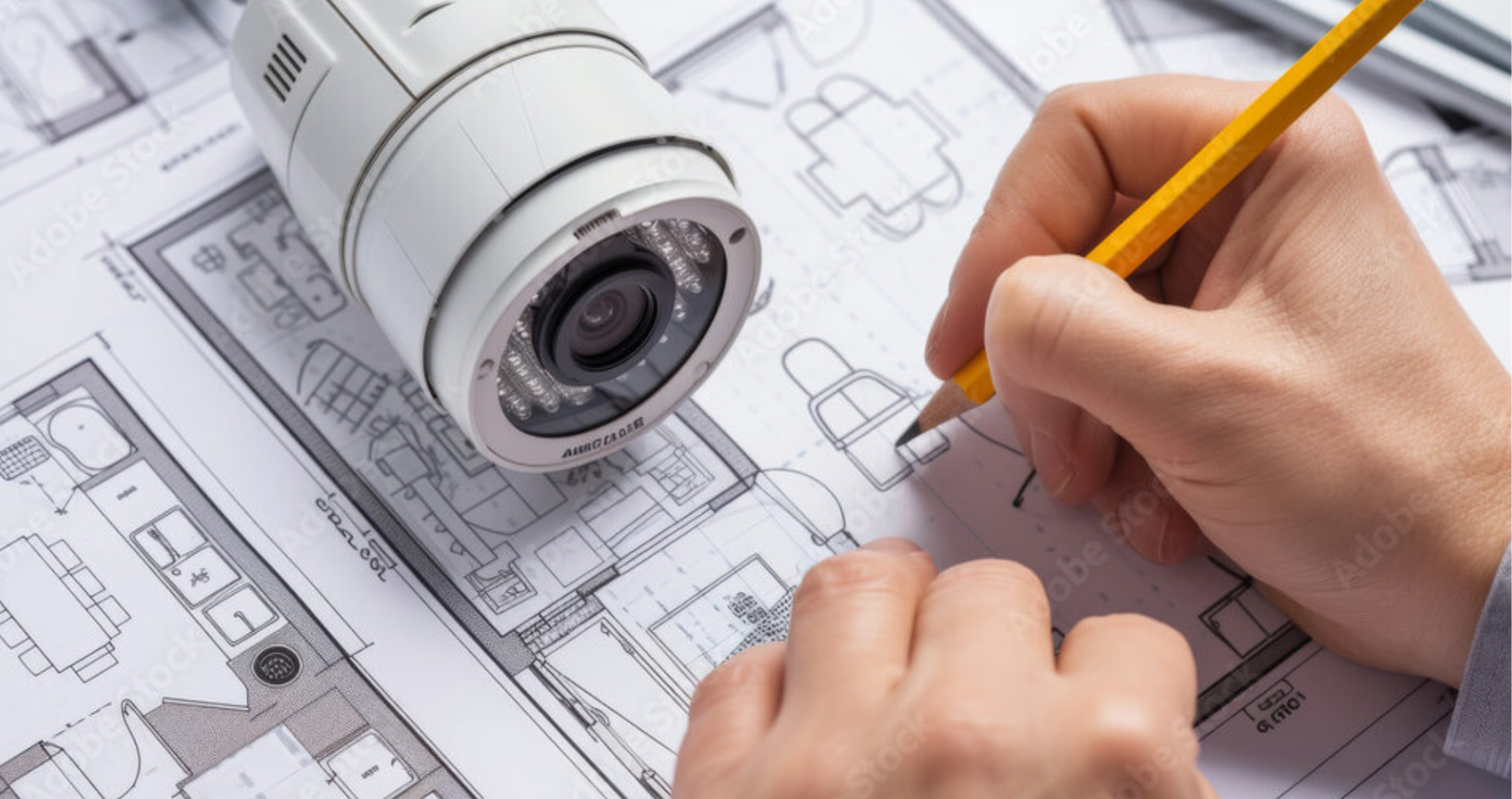
Camera placement is not just about mounting devices on walls. It requires an understanding of lighting conditions, movement patterns, and area coverage.
Professional CCTV security services help businesses:
Conduct site surveys
Identify high-risk zones
Design optimized camera layouts
Ensure proper installation angles
A Reliable Approach for Better Surveillance
Businesses looking to improve night surveillance should focus on both technology and placement.
Companies like Hifocus provide solutions that include advanced cameras, recording systems, and proper installation planning for commercial environments such as warehouses and corporate facilities.
If you are planning to upgrade your surveillance system or improve night monitoring, you can connect with their team.
Conclusion
Improving night surveillance is not just about upgrading cameras. Proper placement plays an equally important role.
By focusing on lighting, angles, entry points, and coverage, businesses can significantly enhance the quality of nighttime footage.
When combined with the right infrastructure and professional CCTV security services, these strategies ensure reliable monitoring and better security outcomes for warehouses, parking areas, and large commercial spaces.