_1744697069429_75a4942dbe35.jpg&w=3840&q=75)
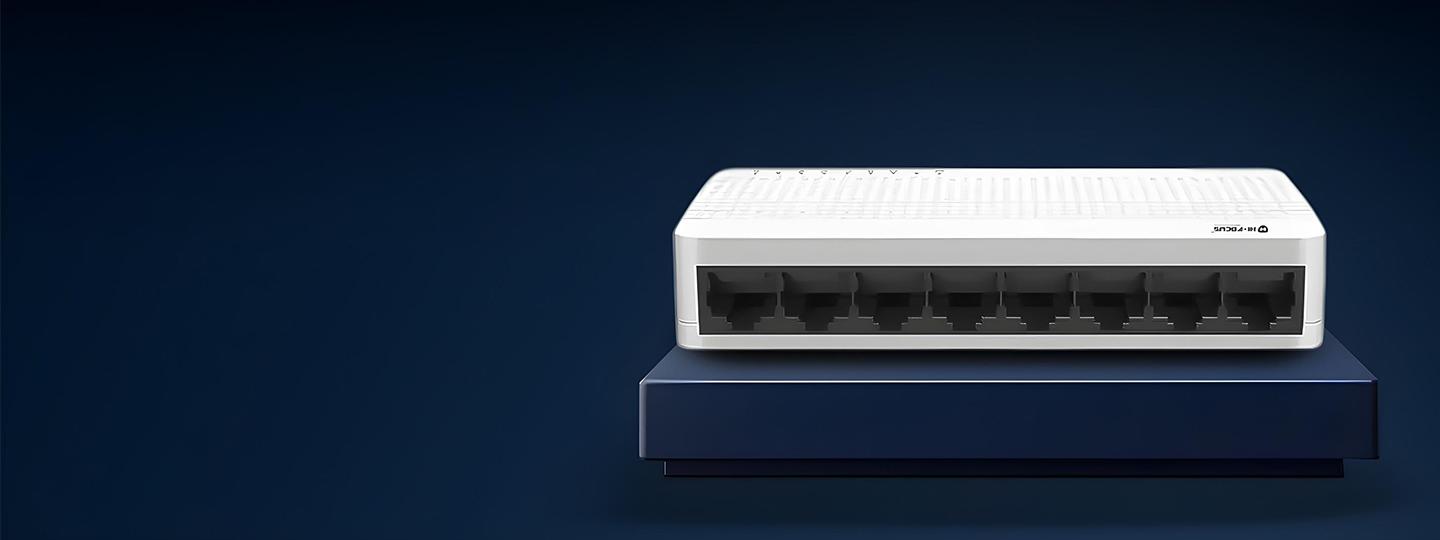
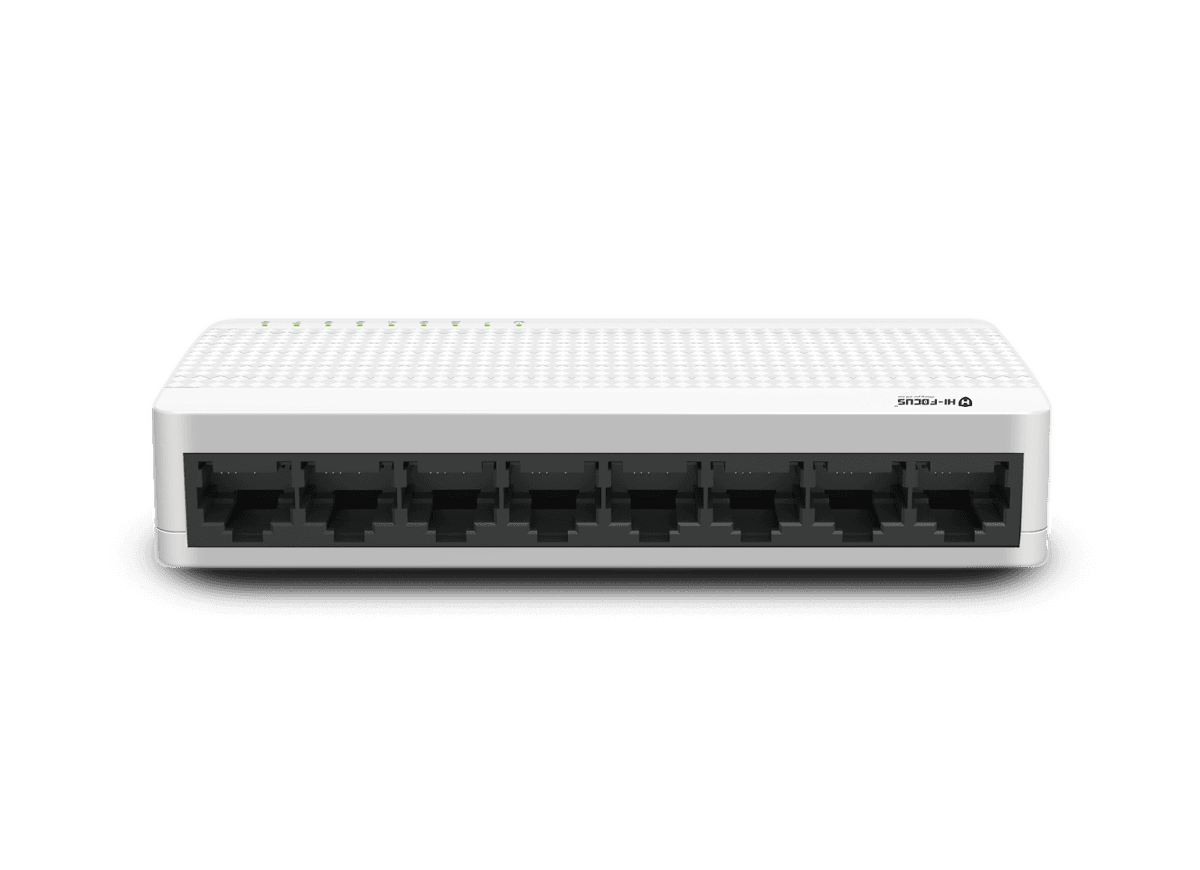
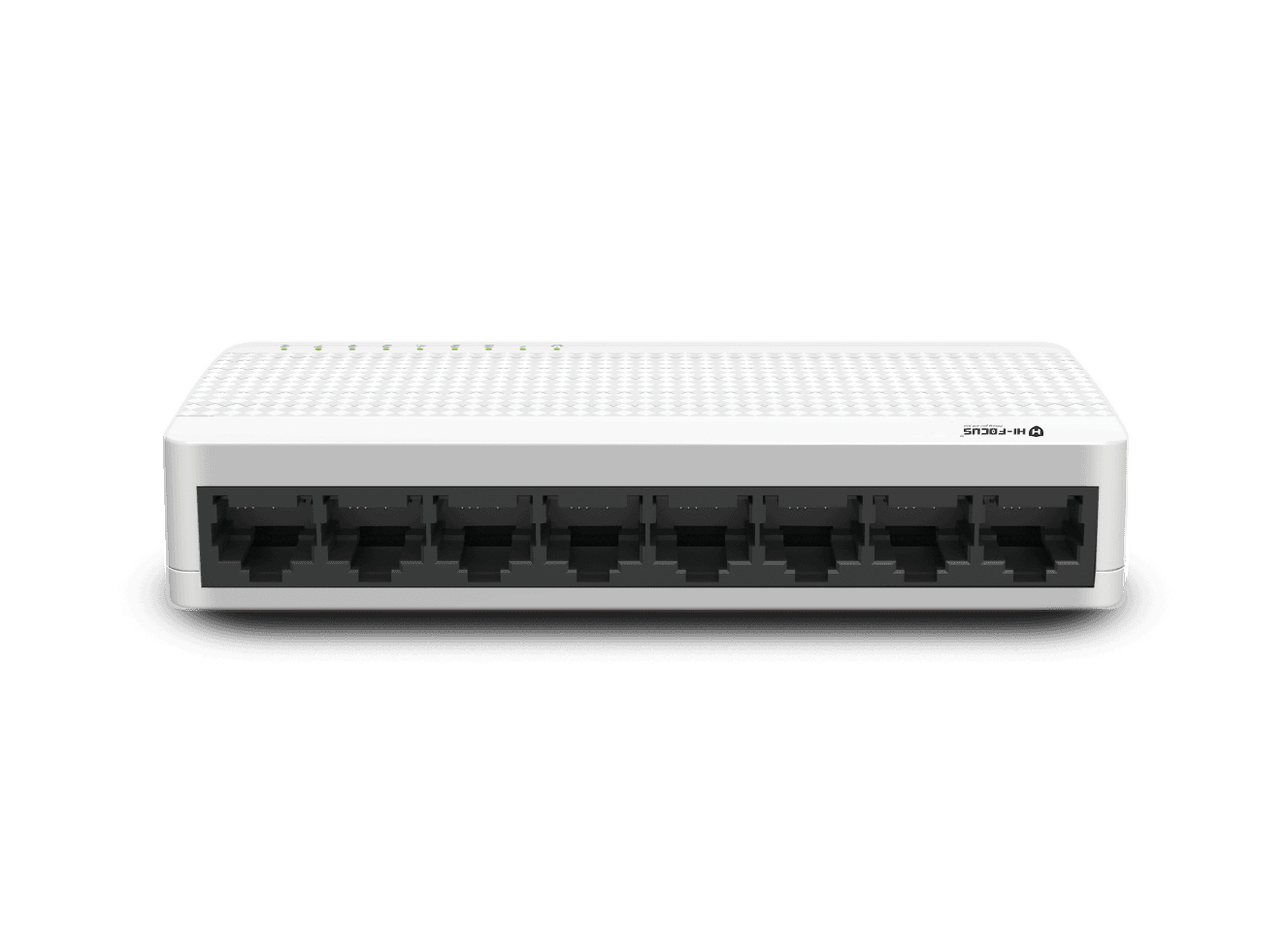
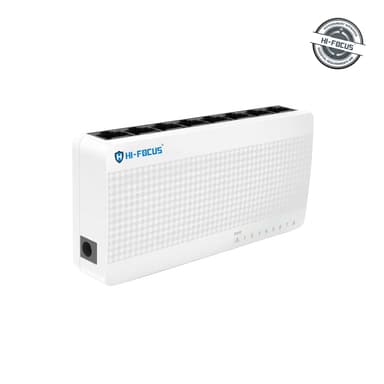

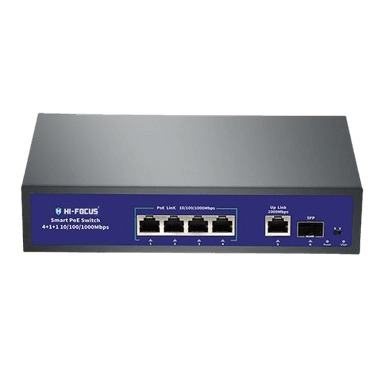
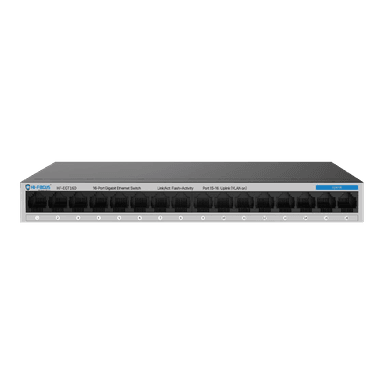
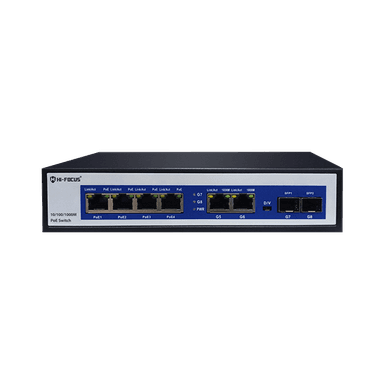
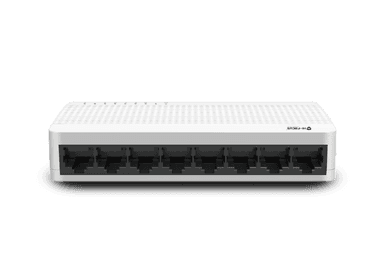
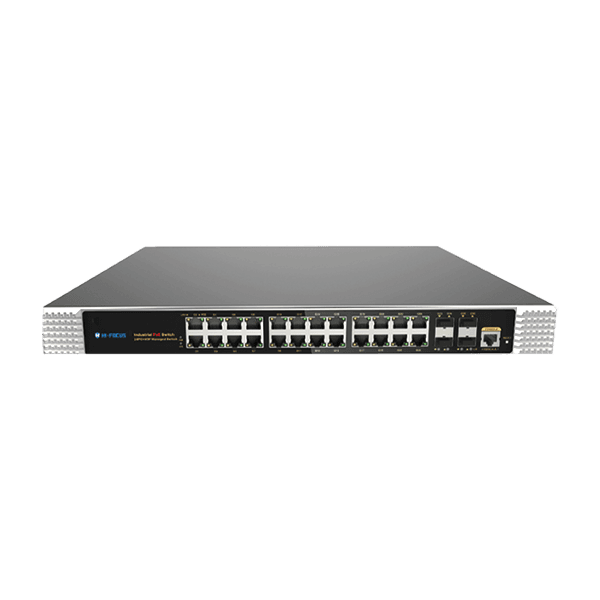
PoE Network Switches by HiFocus
Most conversations about CCTV focus on cameras and recorders. But the network switch sitting between your IP cameras and NVR is just as critical to system performance. A switch that cannot handle sustained video throughput will cause dropped frames, delayed footage, and remote access failures, which only show up after installation.
HiFocus network switches for CCTV are built to handle the continuous, high-bandwidth demands of multi-camera IP surveillance networks. Whether you are connecting 4 cameras at a branch office or 24 cameras across a large facility, the right switch ensures every feed reaches the recorder cleanly, without bottlenecks.
What is a Network Switch in a CCTV System?
A network switch is a device that connects IP cameras, NVRs, and other network devices within a local area network. In a CCTV context, each IP camera connects to a port on the switch, which then aggregates all camera feeds and routes them to the NVR for recording.
A PoE network switch for CCTV goes one step further; it delivers both data and electrical power to each connected IP camera through the same Ethernet cable, removing the need for separate power supplies at every camera point. This significantly reduces installation complexity and cost, particularly on large sites where running individual power cables to each camera location would be impractical.
Key Specifications of Our Popular Network Switches India
Specification | Details |
Switch Types | PoE switches, full gigabit PoE, desktop Ethernet |
Port Options | 4-port, 8-port, 16-port, 24-port |
PoE Budget | Up to 420W (model dependent) |
Speed | Fast Ethernet and full gigabit options |
Uplink Ports | SFP fibre uplink on select models |
Compatibility | All HiFocus IP cameras and NVR systems |
Form Factor | Desktop and rack-mount options |
Origin | Manufactured in India |
Where HiFocus Network Switches Are Used
Corporate offices and IT parks use gigabit PoE network switches to power and connect IP cameras across floors, lobbies, and parking areas without running separate power lines to each camera location.
Educational campuses and institutional buildings deploy 16 and 24-port CCTV network switches at distribution points across large campuses, connecting cameras from multiple buildings back to a central NVR room.
Hospitals and healthcare facilities rely on stable, low-latency switching infrastructure to ensure uninterrupted live feed from critical areas, including ICUs, OPDs, and restricted zones.
Warehouses and logistics facilities use PoE switches at bay-level distribution points to connect outdoor IP bullet cameras and dome cameras without the need for additional power infrastructure at each installation point.
Government buildings and public sector projects specify HiFocus switches as part of a complete IP surveillance infrastructure, with the benefit of sourcing cameras, recorders, and network equipment from a single STQC-certified Indian brand.
Retail chains and shopping complexes use compact 4 and 8-port PoE switches at floor-level distribution boxes to connect ceiling-mounted dome cameras cleanly without cable clutter.
Why the Right Switch Matters for CCTV Performance
IP cameras generate continuous video data streams. A 4MP camera at 25fps produces significantly more data than standard office network traffic, and when you have 16 or 24 such cameras running simultaneously, the switch must handle that aggregate throughput without packet loss or latency.
HiFocus PoE network switches are specified with sufficient switching capacity and PoE power budgets to support multiple high-resolution cameras per unit. The full gigabit models ensure there is no bandwidth ceiling as camera resolutions increase across the network.
Sourcing your switches from the same brand as your cameras and NVRs also simplifies troubleshooting and support. When everything in the surveillance network is HiFocus, your system integrator and the HiFocus support team have a complete picture of the infrastructure, which means faster resolution when issues arise.
Frequently Asked Questions
Q1: What is a PoE network switch, and why is it used for CCTV?
A PoE (Power over Ethernet) network switch delivers both data and power to connected IP cameras through a single Ethernet cable. This eliminates the need for separate power adapters at each camera location, simplifying installation and reducing cost on large deployments.
Q2: How many cameras can a HiFocus network switch support?
It depends on the model. HiFocus switches are available from 4 to 24 PoE ports. Each port connects one IP camera, so a 24-port switch supports up to 24 cameras. The total PoE power budget must also be checked against the power draw of connected cameras.
Q3: What is the difference between a PoE switch and a standard Ethernet switch for CCTV?
A standard Ethernet switch carries data; only cameras connected to it still need a separate power supply at each point. A CCTV PoE switch delivers power and data over the same cable, which is the preferred approach for IP camera installations.
Q4: Are HiFocus network switches compatible with third-party IP cameras?
Yes. HiFocus network switches support standard Ethernet and PoE protocols, making them compatible with any ONVIF-compliant IP camera. They are purpose-optimised for use with HiFocus IP cameras and NVR systems.
Q5: What PoE power budget should I look for when selecting a switch for CCTV?
Each IP camera typically draws between 7W and 25W, depending on the model and whether it uses IR or full-colour night vision. Multiply the per-camera draw by the number of cameras and select a switch with a PoE budget that comfortably exceeds that total.
Q6: How do I choose the right PoE switch for my camera installation?
Two factors matter most: the number of cameras and the total PoE power budget. Each IP camera consumes a certain amount of power (typically 7W–25W, depending on the model). Add up the power requirements of all cameras on the switch and ensure the switch's total PoE budget exceeds that figure. For example, 8 cameras at 15W each require at least 120W PoE budget.
Designed to Work with the Full HiFocus Surveillance Stack
HiFocus switches are optimised to work alongside the complete HiFocus product ecosystem. They connect IP cameras and Network PTZ cameras directly to HiFocus NVR systems, creating a clean, single-brand infrastructure that simplifies installation, troubleshooting, and warranty management.
HiFocus is a trusted CCTV company in India — one of the few Indian manufacturers offering cameras, recorders, switches, and network accessories under one brand. Our STQC certification further validates product quality for government and institutional procurements. For a broader view of Indian surveillance manufacturers, our article on top CCTV brands in India provides useful reference.
Contact HiFocus to specify the right switch configuration for your IP camera project.




_1779869730131_24da0140ddad.png&w=3840&q=75)